Introduction
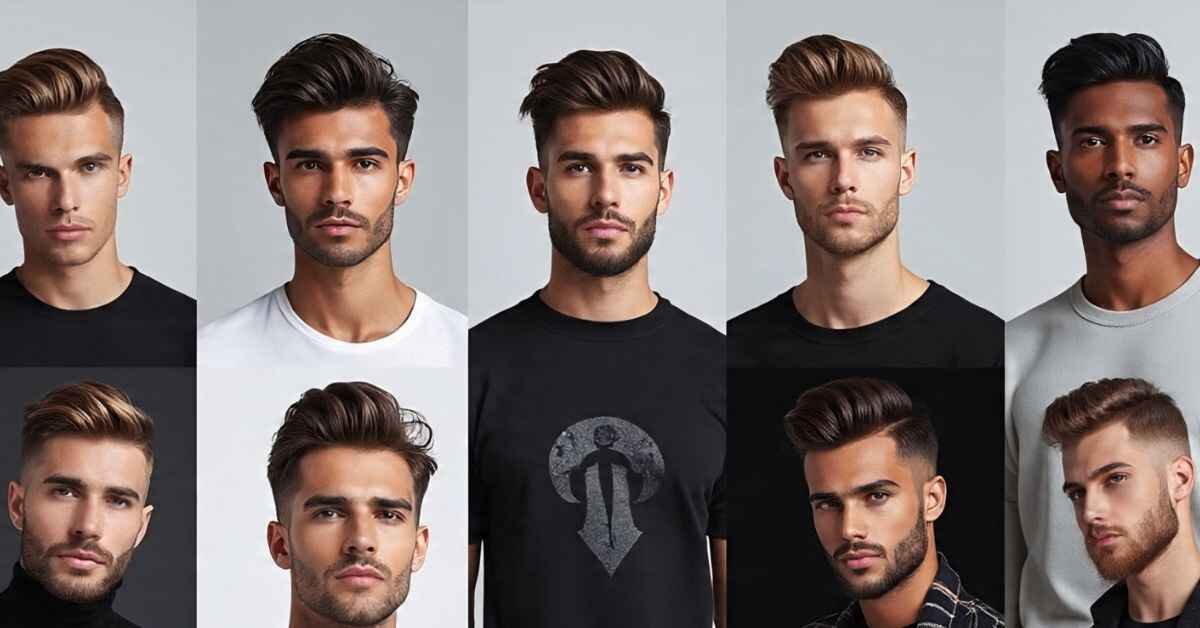
Tired of trying to figure out the perfect haircut that suits you? When it comes to finding the right look, it can be overwhelming to choose between all the different styles. You’ve probably wondered about the various types of fade and which one will give you that sharp, fresh look you’ve been aiming for. It’s normal to feel a little lost with so many options available!
In this blog post, we’ll break down the different types of fade so you can confidently choose the one that fits your style and personality. Whether you’re looking for a clean-cut professional fade or something more trendy, we’ve got you covered with all the info you need to make the best choice. Keep reading to discover your perfect fade!
What Is a Fade Haircut?
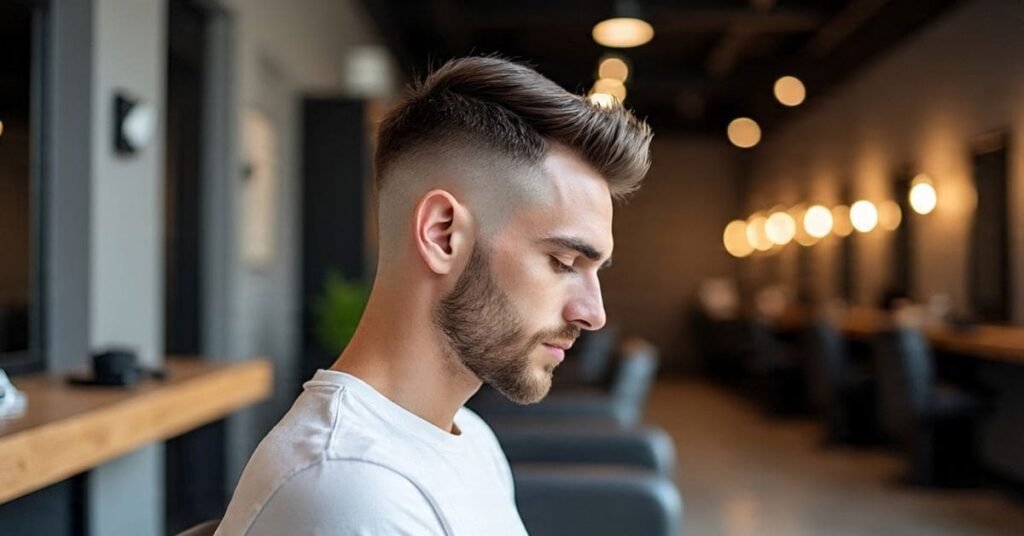
A fade haircut is a modern men’s style where the hair progressively shortens from the top to the sides and back, creating a smooth flow. This style is characterized by the blending of different hair lengths, which can range from subtle to bold, depending on the type of fade.
There are several variations of fades, including high fades, mid fades, and low fades, each with different levels of skin exposure and hair length. Some fades have sharp, defined lines, while others offer a softer, more casual look. Fades are versatile, working well with various hair types like straight, curly, and wavy hair. Different types of fade suit each style.
They’re often combined with other styles, such as undercuts, pompadours, or tapers. While fades are trendy and stylish, they do require regular maintenance to keep the transition sharp and clean, with frequent trips to the barber for touch-ups. The fade haircut has become a popular choice not only in barber shops but also in popular culture, with many celebrities sporting this versatile style.
Origin of the Fade Haircut
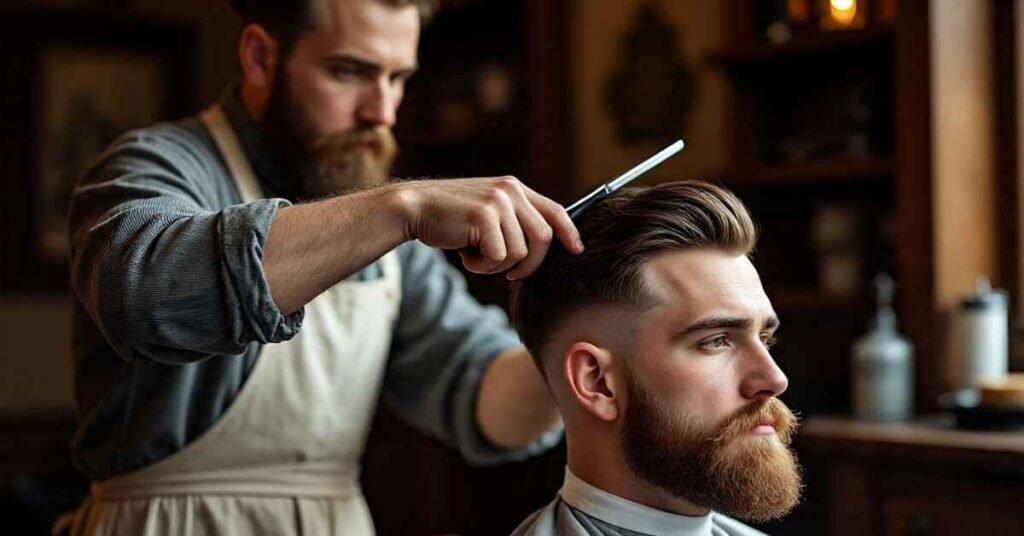
The fade haircut originated in the military, specifically during World War II, where it was known as the “high and tight.” It was a practical and hygienic style, keeping hair short and easy to manage, which was essential for soldiers. After the war, many veterans kept wearing the fade, and different types of fade gradually transitioned into civilian life.
In the 1980s, the fade gained popularity in urban areas, particularly within the African American community. The rise of hip-hop culture played a key role in popularizing the style, with famous figures like Will Smith and others showcasing the high-top fade.
Over time, the fade evolved into various forms, such as the low, mid, and high fade, and it became a versatile haircut seen across different cultures. Today, the fade is not only a symbol of discipline and practicality but also a fashionable and mainstream choice for men of all ages.
Types of Fades for Men
The fade haircut comes in various styles, each offering a unique level of contrast and structure to suit different preferences. Here’s a look at some of the most popular fade styles:
- Low Fade: A classic, subtle style starting just above the ears. It offers a smooth transition from short to longer hair, making it ideal for professional settings. It works well with styles like side parts or slicked-back looks.
- Mid Fade: This fade begins around the temples, creating a balanced contrast between the top and sides. It’s versatile and pairs well with both structured cuts like pompadours and more casual styles like messy fringes.
- High Fade: Beginning close to the crown, this fade creates a striking and bold appearance. It works well with edgy, textured styles and is great for highlighting angular features like strong jawlines.
- Skin Fade: Known as a bald fade, this style tapers the hair down to the skin, resulting in a strong contrast. This style is sleek and modern, and can be paired with a variety of top styles like buzz cuts or pompadours.
- Drop Fade: Flowing and rounded, the Drop Fade curves below the ears. It works well with both low and mid fades and is great for adding shape to your hairstyle.
- Burst Fade: This distinctive fade creates a “burst” effect around the ears, often paired with mohawks or textured styles. It’s an eye-catching option for those who want a bolder, more unique look.
- Temple Fade: Also known as a Brooklyn fade, it starts at the temples and is perfect for adding definition to the hairline. It can be paired with various styles, including afros and curly tops.
Fade styles suit personal taste and face shape. Sharp or subtle, regular maintenance keeps high contrast fades clean and fresh.
Difference Between a Fade and a Taper Fade
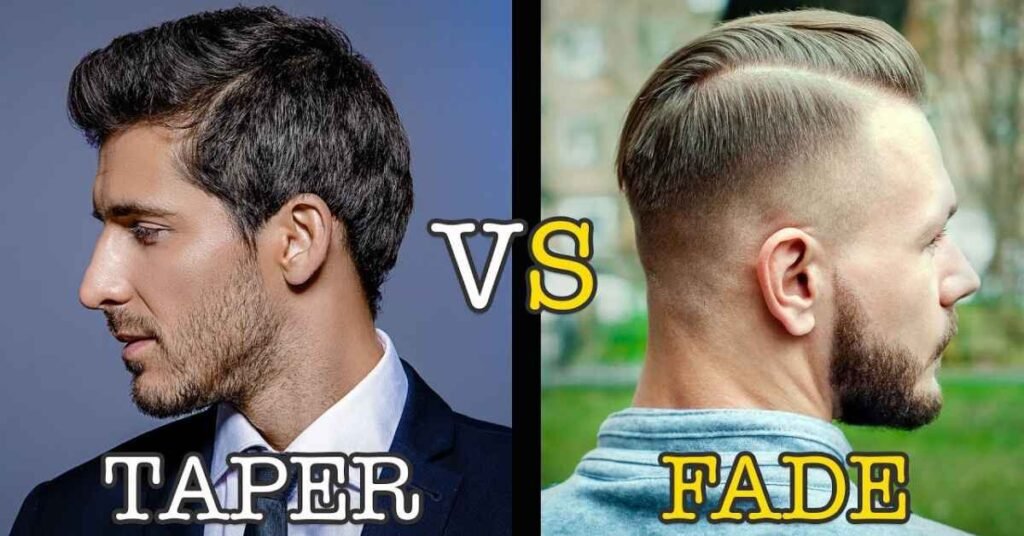
A fade and a taper fade both involve gradual hair length transitions, but they differ in how far the hair is cut. A fade usually goes very short or down to the skin on the sides and back, with different types of fade. The hair gradually blends from short to longer as it moves towards the top. This creates a striking contrast, enhancing the prominence of the fade.
In contrast, a taper fade provides a more subtle appearance. The hair is trimmed gradually, but it doesn’t go down to the skin. A taper fade retains more length around the neck and ears. This results in a softer, more natural look. Both styles can be customized to suit your preferences, but the fade tends to be sharper and more noticeable.
| Feature | Fade | Taper Fade |
| Starting Point | Short or skin level at the sides | Gradual transition near the sideburns |
| Length of Hair | Very short, often down to the skin | More length is kept, especially near the neck and ears |
| Contrast | High contrast between the top and sides | Soft, subtle transition with less contrast |
| Look | Bold and dramatic | Subtle, clean, and polished |
| Maintenance | Requires regular touch-ups | Easier to maintain between trims |
| Suitability | Best for edgy, modern looks | Ideal for professional and classic styles |
Zero Fade
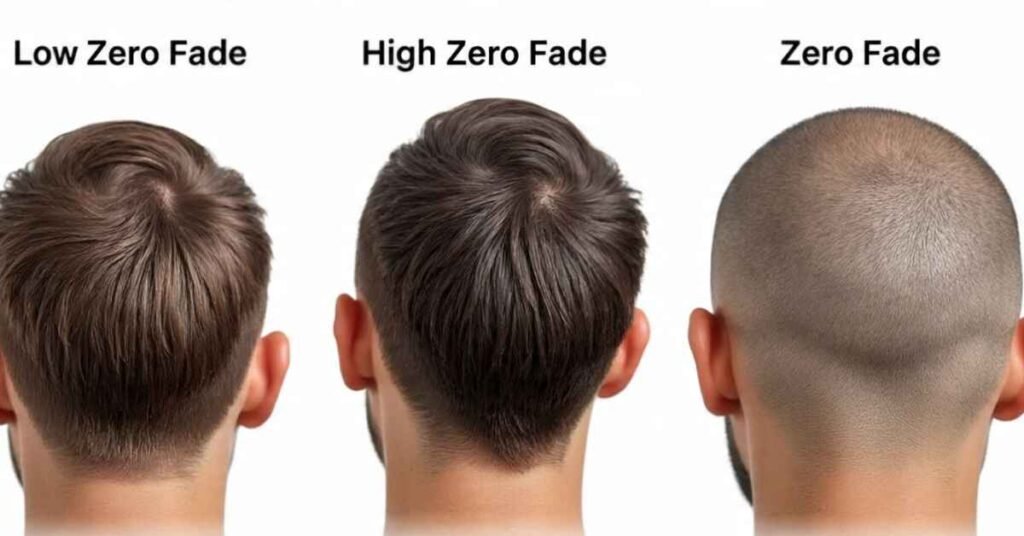
A zero fade is a haircut where the hair on the sides is shaved down to the skin, creating a clean and sharp look. The transition from longer hair on top to the shaved sides is gradual, making the fade appear seamless. While the terms zero fade, skin fade, and bald fade are often used interchangeably, a zero fade leaves a faint stubble or a slight shadow, unlike the skin or bald fade, which goes all the way down to the skin.
The zero fade is a versatile style that can be adapted to various top hairstyles, including pompadours, quiffs, and buzz cuts. The zero fade comes in different variations, such as the low zero fade, which starts the fade lower on the sides for a subtler look, and the high zero fade, which starts higher on the head for a more pronounced contrast.
This haircut is favored for its contemporary look, easy upkeep, and crisp style. It works well with different face shapes and hair types, making it a timeless and trendy choice. Whether you go for a low or high zero fade, it remains a popular style for men who want a clean and polished look with minimal effort.
Low Zero Fade
Low zero fades are more subtle and minimalistic than high zero fades. It starts with a very short length at the sides, using a #0 clipper setting, which leaves a faint stubble. The fade begins about half an inch above the ear, gradually transitioning to longer hair higher up the sides.
This style gives a subtle look, ideal for those who prefer less contrast than mid or high fades. The low-zero fade is ideal for men who want a neat, effortless style with minimal upkeep. Different types of fade, like the low-zero fade, offer a clean look with less maintenance.
Unlike bolder fades, the low-zero fade keeps more length on the sides before transitioning to shorter. This creates a smoother, less bold appearance. People often pair it with various top styles, from buzz cuts to textured tops.
Low zero fades are great for those who prefer a refined, professional look. They also offer the advantage of lasting longer between trims compared to higher fades, as the subtle transition from short to long hair is less noticeable as it grows out.
High Zero Fade
The high zero fade starts with very short stubble at the bottom, transitioning to longer lengths around the level of the temples. As a result, barbers shave the sides closely while leaving the hair longer on top.
It’s one of the most attention-grabbing fade styles, with a bold and edgy look. The high zero fade is perfect for those who want a statement hairstyle that stands out. The fade starts high on the sides, close to the crown, resulting in a noticeable shift.
While the high zero fade is striking and modern, it may not be ideal for someone trying out fades for the first time. Start with a lower or longer fade, then move to a high zero fade if you’re confident in the look. Unlike undercuts, which have a sharp, non-blended transition from short sides to long top hair, the high zero fade blends gradually, offering a smoother and more refined finish.
Specialty Fades for Added Flair
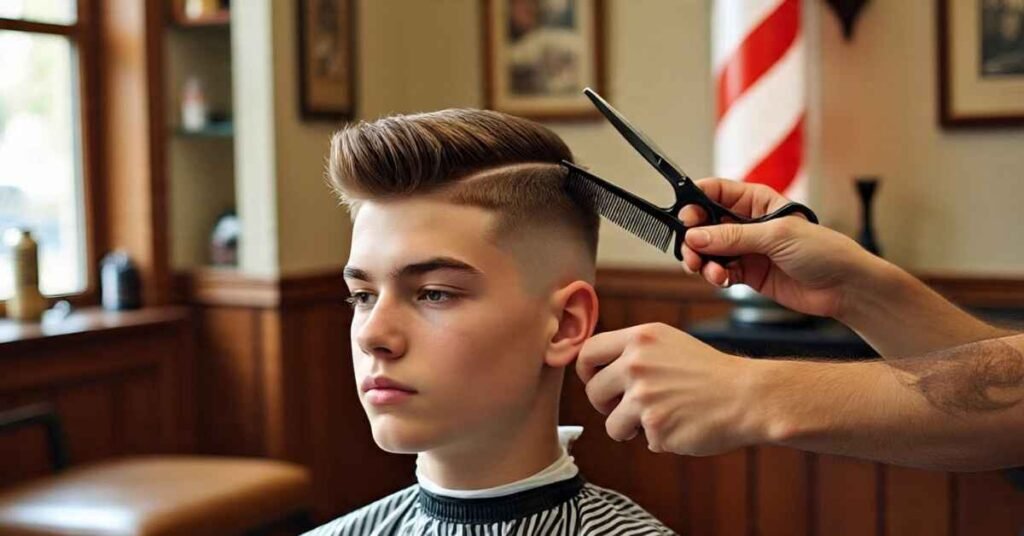
Specialty fades add unique flair to a haircut, allowing for personal expression and creative styling with different types of fade. Key specialty fades include:
- Burst Fade: A semicircular fade around the ears, often paired with mohawks or faux hawks. This creates a bold, eye-catching look.
- Drop Fade: This fade drops at the back of the head, following the natural contour. It provides a unique, curved appearance.
- Temple Fade (Brooklyn Fade): Focuses on the temples, ideal for afros, curly tops, or locs, and gives a more localized fade.
- Shadow Fade: An elegant, low-maintenance option, Shadow Fade leaves a subtle trace of hair.
These specialty fades are great for those looking to stand out with their hairstyle. The burst fade is a favorite among younger clients for its distinctive sunburst pattern, while the drop fade adds visual interest with its curved transition. The temple fade is subtle and suits those who want a touch of fade without going overboard.
The shadow fade is perfect for curly or coily hair textures, creating a soft transition and easy styling. Specialized fades not only offer bold, creative looks but also provide more ways to adapt fades to personal preferences and hair types.
Maintaining Your Fade: Tips for Keeping It Fresh
To maintain a fresh fade, regular care is essential, especially between barber visits. Key tips for keeping your fade sharp include:
- Regular Trims: Visit the barber every 2-3 weeks to ensure your fade stays sharp and doesn’t grow unevenly.
- Invest in Quality Products: Use the right shampoo, conditioner, and styling products to nourish your hair and keep it looking fresh. Choose products suited for your hair type to enhance texture and hold.
- Avoid Overwashing: Frequent washing can remove natural oils. Try washing 2-3 times a week and use dry shampoo between washes.
- Trim Sideburns and Neckline: Tidy up the sideburns and neckline at home with clippers or trimmers to maintain the clean, sharp appearance.
- Blow-Drying: Blow-dry your hair in the direction of the fade to set the style and add volume, making your fade appear polished.
- Protect at Night: Sleep on a satin pillowcase or wear a satin scarf to reduce hair breakage and maintain the integrity of the fade.
- Hydrate and Eat Well: A balanced diet with essential nutrients like omega-3 fatty acids helps maintain healthy hair growth and supports your fade’s longevity.
By following these steps, you can extend the life of your fade and keep it looking crisp for longer. Trying different types of fade helps reduce the need for frequent salon visits.
The Shave Cave’s Expertise in Fades
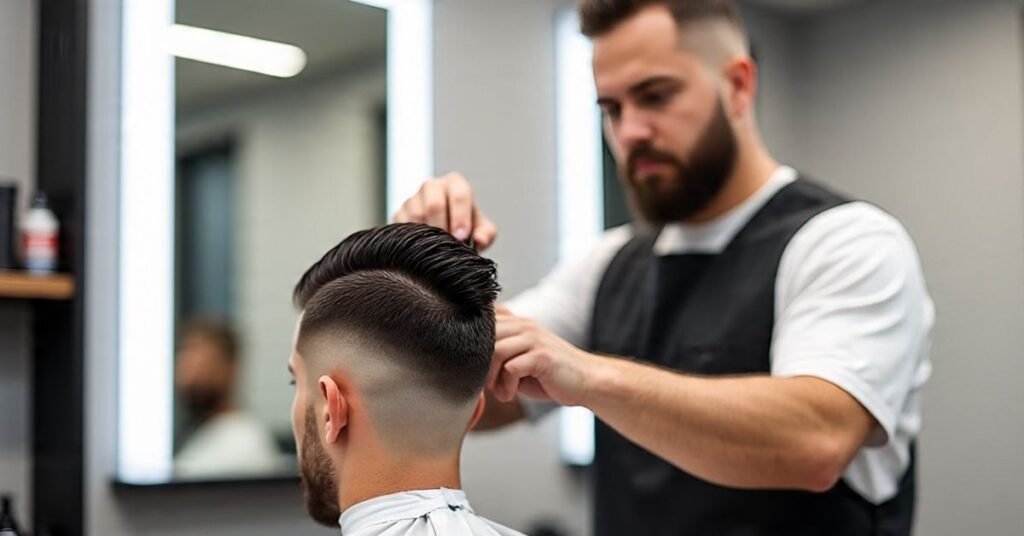
The Shave Cave is a leading barbershop in St. Petersburg, renowned for its skill in crafting tailored fades. Skilled barbers craft all types of fades, tailoring each cut to the client’s face shape, style, and preferences
By blending traditional barbering techniques with modern precision, they provide both timeless and contemporary styles. Fades are a staple of men’s grooming, offering versatility and timeless appeal, making them suitable for all ages and fashion trends.
What sets The Shave Cave apart is its luxury environment and the high level of expertise behind each haircut. Clients can unwind in a comfortable setting with free beer and additional services like parking validation. Different types of fade can also be offered to clients looking for a fresh, stylish look.
The barbers combine years of experience with passion, ensuring that each customer leaves with a sharp, polished look. Whether seeking a classic fade or a modern twist, the team at The Shave Cave offers expert advice and personalized service to create a look that complements individual features and expresses personal style.
Conclusion
In conclusion, choosing the right fade is all about finding a style that suits your personality and lifestyle. Whether you choose a gentle low fade or a striking high zero fade, there’s a style to suit everyone.
Regular maintenance and using the right products will help keep your fade looking sharp and fresh between visits. Feel free to ask your barber for guidance on the best style for your face shape and hair type. Fades offer versatility and timeless style, giving a clean, modern look suitable for various occasions.
By taking care of your fade and staying consistent with trims, you can enjoy a stylish and polished appearance that enhances your features. So, go ahead and explore different fade options to find the perfect one that makes you feel confident and ready to take on the day!
FAQs – Frequently Asked Questions
1. What is a fade haircut?
A fade is a hairstyle where the hair gradually shortens from the top down to the sides and back, creating a smooth transition.
2. How often should I get a fade?
To maintain a sharp look, experts recommend visiting the barber every 2–3 weeks for a trim.
3. What’s the difference between a fade and a taper fade?
A fade tapers down to the skin for a striking contrast, whereas a taper fade is more understated, leaving longer hair around the ears and neckline.
4. Can I style my fade with curly hair?
Yes, fades work well with curly hair, especially styles like the curly fade or shadow fade, which enhance texture.
5. How do I maintain my fade at home?
Use a quality shampoo and conditioner, trim sideburns and neckline, and blow-dry in the direction of the fade for a polished look.

Muhammad Asif is an experienced SEO expert, specializing in optimizing websites for higher search rankings and better online visibility. With a deep understanding of SEO strategies, he helps businesses achieve their digital marketing goals.