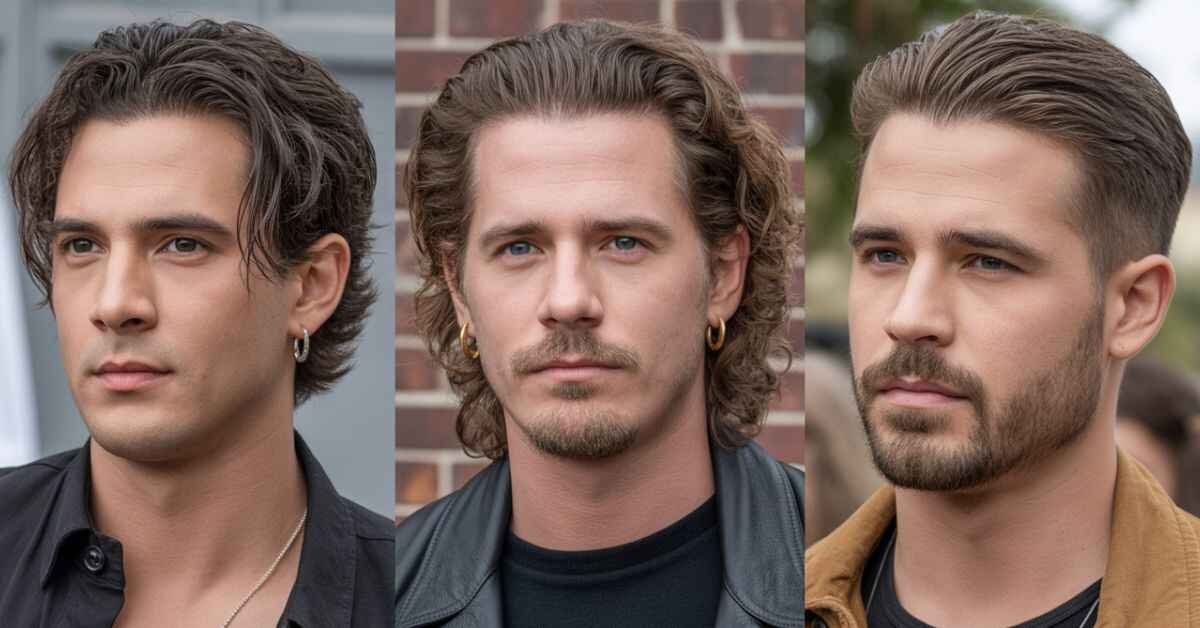
The mullet hairstyle for men has shifted from a retro stereotype into one of today’s most talked-about fashion trends. Once linked to rebellious icons of the 1980s and 1990s, the cut has been reshaped by modern grooming and reintroduced as a confident statement of personal style.
What makes the mullet stand out is its unmistakable contrast — neatly trimmed sides and front that frame the face, combined with longer layers at the back that add edge and personality. This structure works across a range of hair types, including straight, wavy, and curly textures, making it one of the most versatile men’s hairstyles available.
From the traditional classic mullet to contemporary twists such as the fade mullet and shaggy mullet, this haircut now offers an option to suit every lifestyle and preference. Paired with the right styling tools — sea salt sprays for volume, diffusers for definition, or matte clays for texture — the mullet proves it’s more than just a nostalgic throwback. It’s a bold, adaptable, and enduring hairstyle that continues to evolve while keeping its place among the most iconic looks in men’s grooming.
What Is a Mullet Haircut? A Brief History
What is a Mullet?
The mullet hairstyle for men is one of the boldest and most iconic haircuts in history. It’s instantly recognizable by its shorter hair at the front and sides, with longer length at the back.
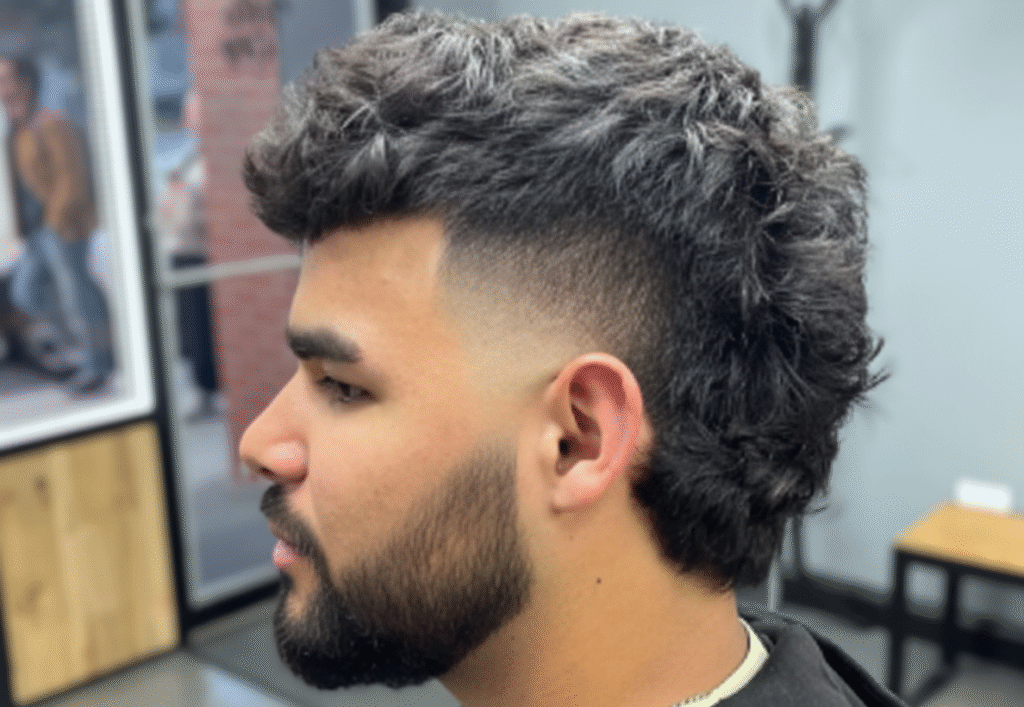
As:
“Many barbers agree that the mullet is more than a hairstyle — it’s an attitude. Its adaptability, whether sharp and structured or loose and textured, makes it a timeless choice that continues to evolve with modern trends.”
Key Features of a Mullet
- Short front and sides for a clean frame
- Long back that creates contrast
- Works with straight, wavy, or curly hair
- Can be styled polished or messy depending on personality
Why is it Called a Mullet?
The name “mullet” might feel unusual for such a stylish haircut, but it has a clear pop culture origin.
The Origin of the Name
- The term was popularized by the Beastie Boys in their 1994 track “Mullet Head.”
- Before that, the style existed but didn’t carry the same name.
- In Australia during the 70s and 80s, the mullet became a symbol of rebellion and nonconformity.
Famous Mullets in History
- David Bowie – glam rock edge
- Pat Sharp – 80s television icon
- Patrick Swayze – the Hollywood mullet
- Billy Ray Cyrus – made it mainstream in the 90s
What’s the History of the Mullet?
The mullet isn’t just an 80s throwback — its roots run deep in history.
Ancient Roots
- Greek and Roman warriors wore mullet-like cuts: short in the front for practicality, long in the back for warmth
- A hairstyle of both function and identity
Rockstars and Pop Culture
- In the 1970s and 1980s, the mullet exploded in pop culture
- Paul McCartney and Rod Stewart gave it a glam rock twist
- Athletes and movie stars adopted it, turning it into a global trend
The Fall and Revival
- By the 1990s, the mullet became the punchline of fashion jokes
- In the 2000s, it nearly disappeared — until Gen-Z and TikTok revived it
- Today, it’s embraced by icons like Jacob Elordi, Paul Mescal, and Harry Styles, proving it’s no longer outdated but fashion-forward
Why Gen-Z Loves the Mullet
- Celebrates individuality and nonconformity
- Low maintenance — can be neat or messy
- Fits perfectly with the vintage and nostalgic fashion wave
What Is a Mullet Haircut? A Brief Recap
To put it simply, the mullet haircut is:
- Short sides and front
- Long back
- A balance of clean and rebellious
Quick History Recap
- Earlier than the 80s: Ancient roots, warriors
- 1980s peak: Rockstars, celebrities, and mainstream fame
- 1990s decline: Seen as outdated or a joke
- 2020s comeback: A bold trend celebrated again
The mullet remains a symbol of bold style choices, echoing through both pop culture and men’s fashion.
What Are the Different Types of Mullet?
The mullet is no longer just a throwback to the 1980s rock scene — it has transformed into a versatile haircut that adapts to today’s trends. Modern variations of the mullet cater to different personalities, face shapes, and hair types, making it a style that works just as well for someone seeking a bold, fashion-forward statement as it does for men who prefer a more understated, low-maintenance look.
Classic Mullet: The Timeless Men’s Hairstyle
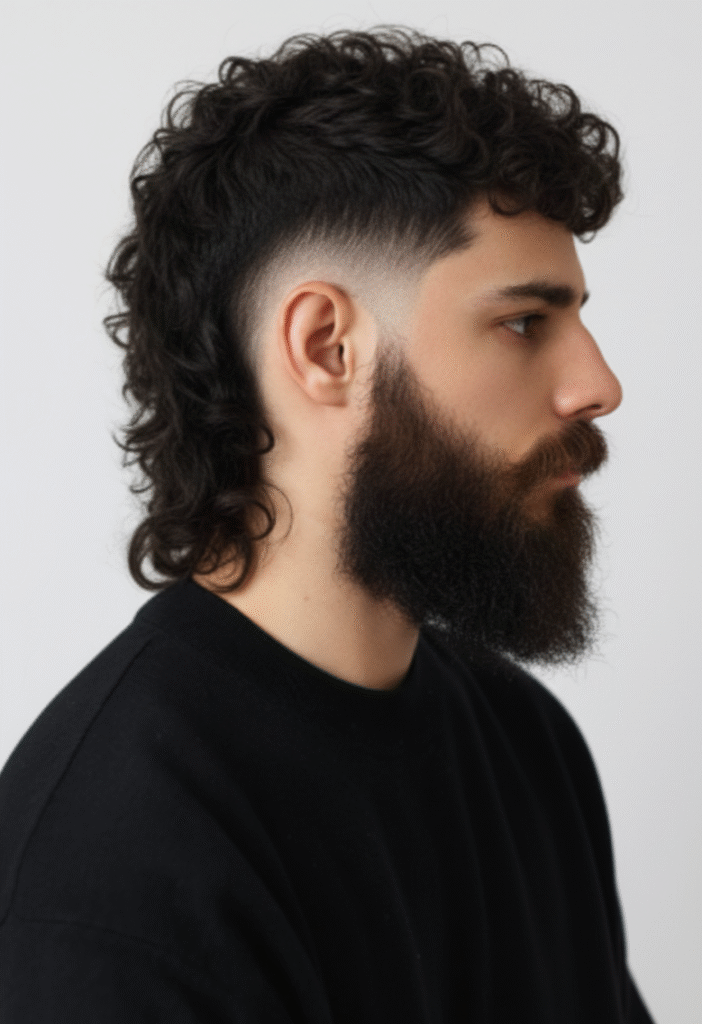
The classic mullet is the original version that laid the foundation for every style that came after. Defined by neatly trimmed sides and a longer flow of hair at the back, it delivers an unmistakable silhouette that instantly sets it apart.
- Popularized in the 1980s by Billy Ray Cyrus and other cultural icons
- Easy to maintain compared to trendier versions
- Works for both polished and tousled finishes
The classic mullet remains the most authentic expression of the cut. Its straightforward shape, with sharp contrast between short sides and a longer back, reflects a rebellious edge while retaining a timeless appeal that continues to resonate in modern men’s style.
Modern Mullet: Fresh Twists on a Retro Look
The modern mullet hairstyle reinvents the classic with a contemporary touch. It blends retro vibes with current barbering trends, making it far more versatile than before.
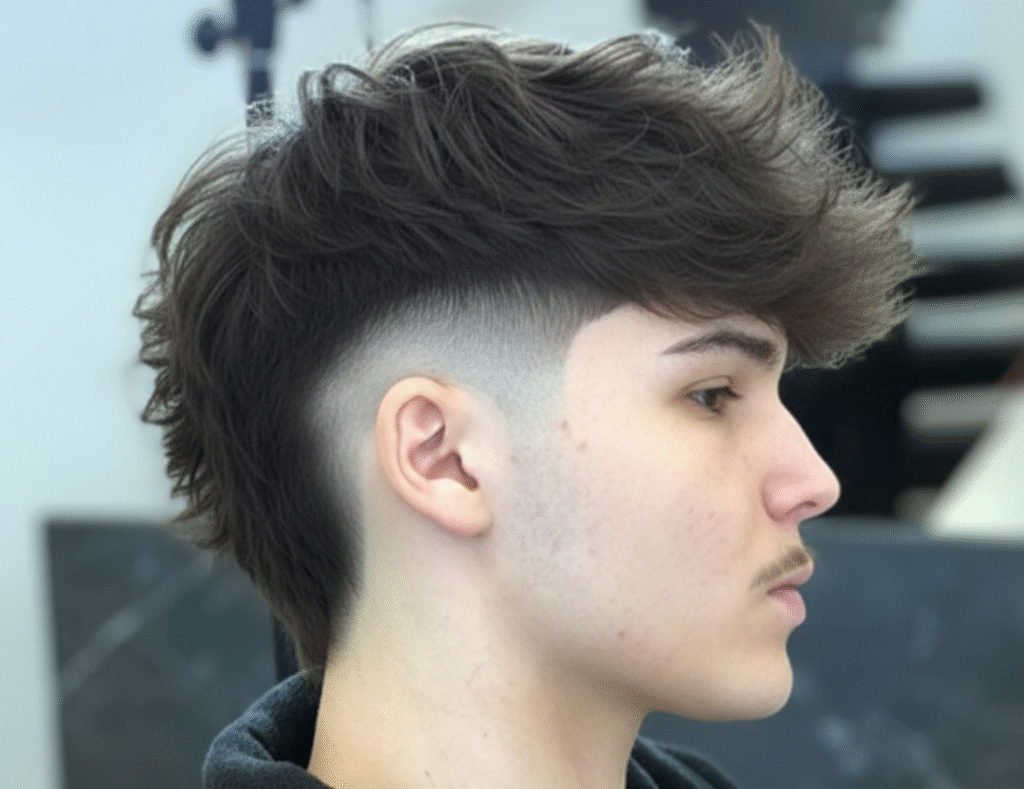
Ways to customize the modern mullet:
- Add a fade on the sides for a clean transition
- Incorporate an undercut for extra contrast
- Use bold color treatments for standout flair
I love how the modern mullet adapts to different personalities. Whether you want a subtle update or a bold statement, this version gives you freedom to experiment.
Short Mullet: Edgy and Easy to Maintain
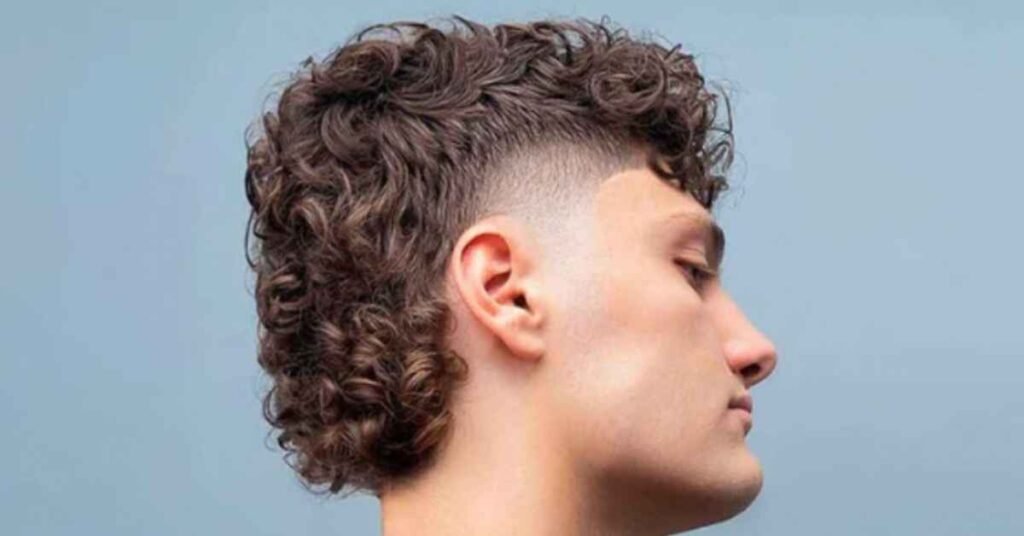
The short mullet is an excellent choice for men who want a hairstyle that’s both stylish and easy to manage. By keeping the signature mullet contrast but reducing the overall length, it offers a sharper, more practical look that doesn’t require constant upkeep. This makes it ideal for guys who want to embrace the mullet trend while keeping their grooming routine simple and efficient.
- Minimal styling effort required
- Great option for beginners trying mullets for the first time
- Perfect balance of edge and everyday wearability
For me, the short mullet feels like the “no-fuss” option — you get the style without the high-maintenance commitment.
Fade Mullet: Blending Shorter Sides with Longer Hair
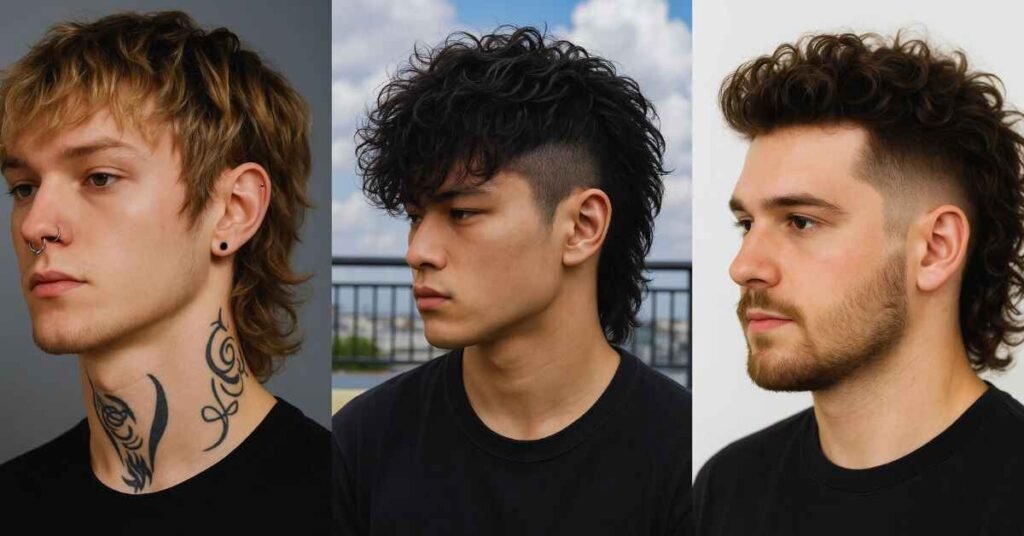
The fade mullet has become a standout choice in modern men’s grooming. By blending closely tapered sides into longer length at the back, it creates a clean yet daring contrast. This combination delivers a look that’s sharp enough for everyday wear but still bold enough to make a statement.
Why the fade mullet works so well:
- Clean, professional, yet still rebellious
- Easily customized (low, mid, or high fade)
- Flatters most face shapes
I’d recommend this cut if you want a mullet that fits both casual and formal occasions — it’s versatile, sharp, and stylish.
Shaggy Mullet: Relaxed and Textured
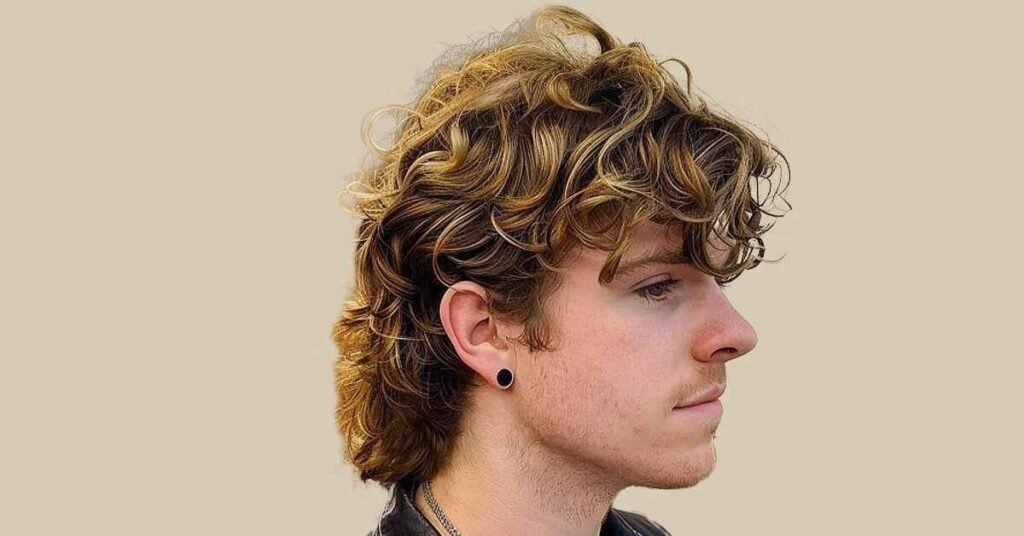
The shaggy mullet is all about carefree, rockstar vibes. With layered lengths and textured styling, it has a natural, laid-back look.
- Effortlessly tousled with minimal styling
- Enhances natural hair movement
- Great for men who prefer a relaxed aesthetic
Personally, I think the shaggy mullet feels the most fun. It’s less about precision and more about embracing your natural texture.
Soft Mullet: Subtle and Blended

For men who want a mullet that’s not too extreme, the soft mullet delivers a perfect middle ground. Its layers are blended more smoothly, giving a subtle contrast between front and back.
- More casual and wearable compared to bold versions
- Works well for office-friendly styles
- Best choice for guys who like understated haircuts
This is the style I’d suggest if you want to test the mullet waters without going full retro.
Fashion Mullet: Runway-Ready
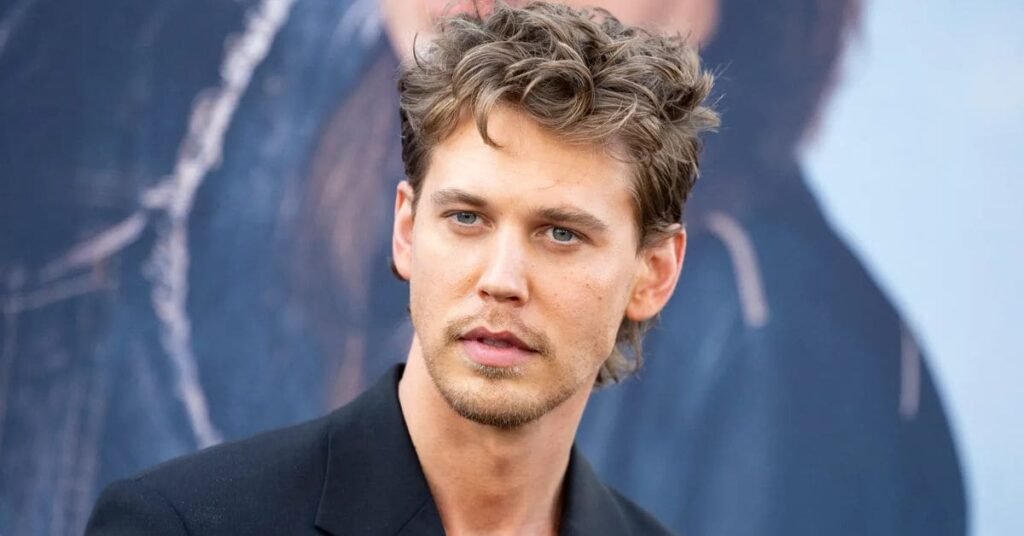
The fashion mullet is high-contrast, bold, and unapologetic. Often seen in high fashion and on runways, it’s designed to make a statement.
- Features sharp lines and exaggerated proportions
- Sometimes paired with dramatic colors or unique textures
- Perfect for men who love experimental styles
Honestly, this isn’t for the faint of heart — but if you’re someone who loves standing out, the fashion mullet will definitely get you noticed.
What Is a Modern Mullet?
The modern mullet takes the essence of the original but makes it more refined, wearable, and adaptable for today’s trends.
As barber Stefan Clark puts it:
“The modern mullet takes inspiration from its retro roots but updates the style for today’s trends. By softening the dramatic contrasts of the past, it creates a more balanced, versatile look that feels contemporary while still keeping the bold spirit of the original cut.”
Celebrities like Timothée Chalamet and Jacob Elordi have brought the modern mullet back into the spotlight, showing its versatility. Whether paired with fades, undercuts, or creative colors, the modern mullet is proof that retro styles can evolve and stay relevant.
How to Style a Mullet for Different Hair Types
The true appeal of the mullet lies in its ability to suit nearly every hair type. From natural curls to pin-straight strands or tight coils, this haircut can be tailored to highlight your individual texture. With professional cutting techniques and the right styling products, the mullet easily shifts from subtle to statement-making. This adaptability ensures that men can wear a version of the style that feels modern, confident, and uniquely their own.
Styling a Curly Mullet
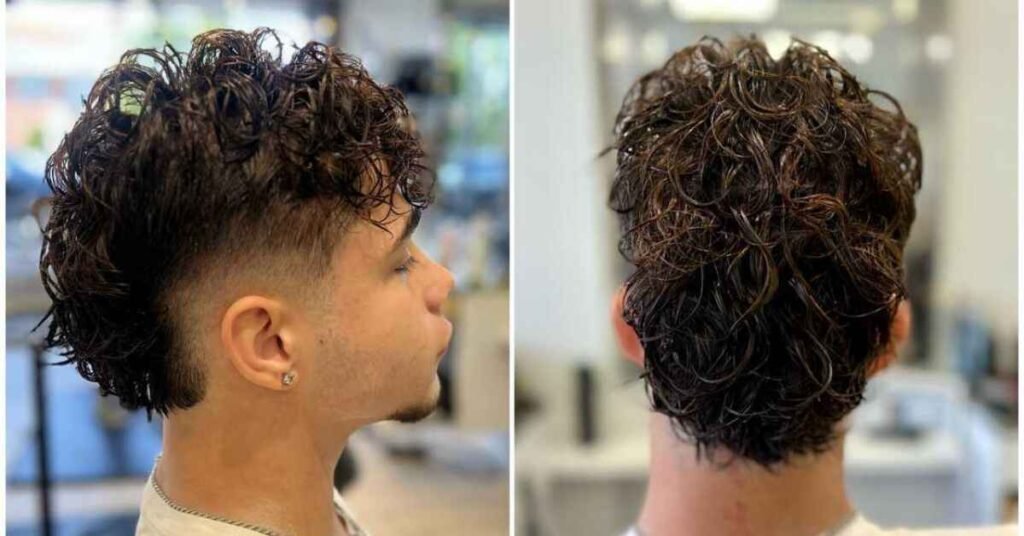
Curly hair gives the mullet natural volume and movement, making it an effortless match. Instead of flattening your curls, highlight them with a curl-enhancing mousse or cream. Finish with a lightweight paste for hold that still allows bounce and flow. Using a diffuser while blow-drying will help lock in definition and keep frizz at bay, creating a mullet that looks dynamic and full.
Styling a Straight Mullet
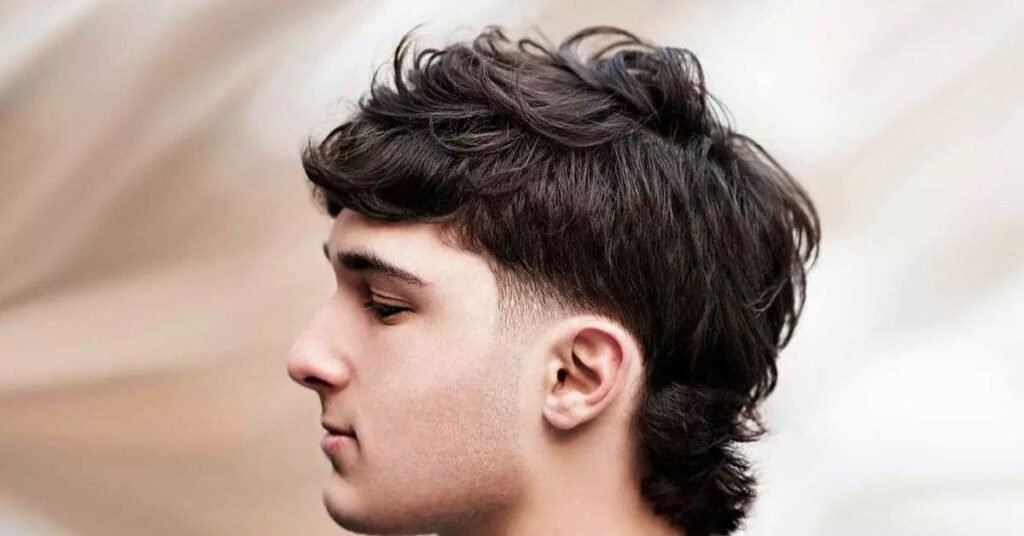
Straight hair provides a sleek base but can sometimes make a mullet look too flat. The key is adding lift and texture. A sea salt spray or matte styling clay works wonders for grit and body, while blow-drying with a round brush creates volume at the crown. For a sharper, more polished version, a touch of pomade or gel smooths the style into a clean, refined finish. This makes straight mullets versatile enough for both everyday wear and formal occasions.
Styling a Mullet with Coily or Afro Hair
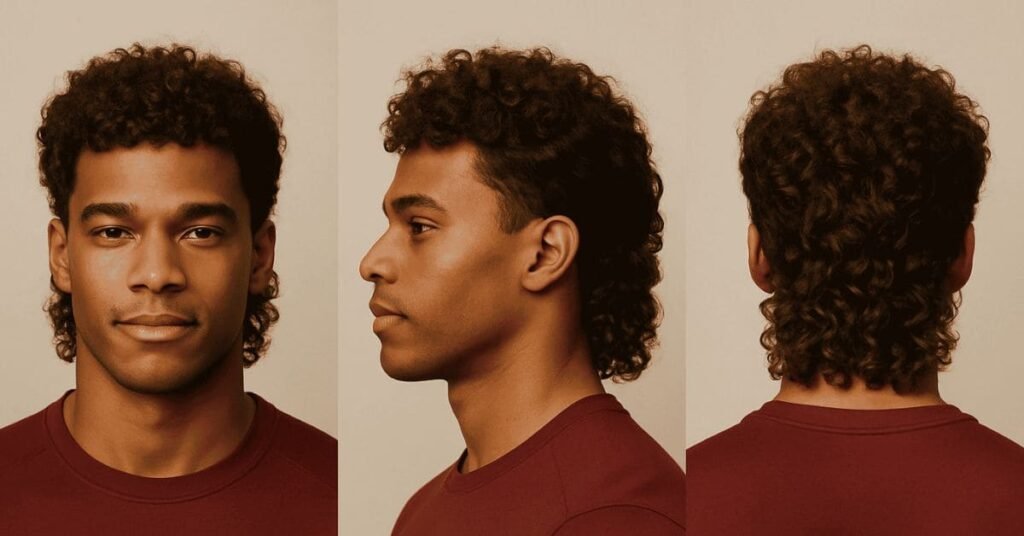
Afro-textured and coily hair naturally delivers structure and boldness, making it perfect for standout mullets. To keep the look fresh, hydration is essential. Regular use of leave-in conditioners or nourishing oils maintains softness and shine. For definition, a matte cream or a sponge brush can enhance curl patterns while keeping the overall shape sharp. This approach celebrates your natural texture while ensuring your mullet looks intentional and stylish.
Curly vs. Straight Mullets: What Sets Them Apart
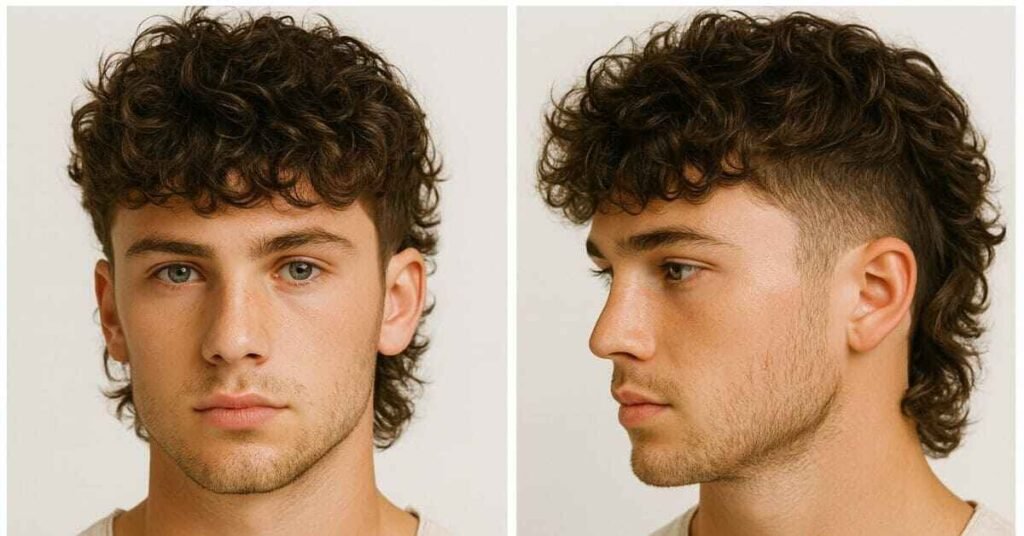
Curly mullets often feel more voluminous and dramatic, thanks to the natural body of curls. They work best with diffusers and hydrating curl products. Straight mullets, on the other hand, give a sleeker and more controlled appearance, which can be styled with shine products or textured sprays depending on the vibe you want. Both are stylish — it comes down to personality and preference.
How to Get a Mullet Haircut
Walking into a barbershop and asking for a mullet isn’t enough to get the style you have in mind. Since this haircut comes in many variations — from sharp fade mullets to softer, layered styles inspired by the shag — you’ll need to describe your preferences clearly to ensure your barber delivers the exact look you want.
Clear communication is the key to getting the perfect mullet. Instead of simply asking for “a mullet,” discuss the finer details of the style you have in mind. Consider mentioning:
- Side finish: Do you want a clean fade, a subtle taper, or a smooth blend into the top?
- Back length: How long should the hair flow at the back — just past the neckline or extended for a bolder effect?
- Overall vibe: Are you aiming for a sharp, edgy look with strong lines, or a softer, more textured style that feels relaxed?
- Styling flexibility: Would you like the cut to be easy to switch between casual and polished settings?
By being specific, you help your barber shape a mullet that not only matches your personality but also works well with your hair type and lifestyle.
Can You Cut a Mullet at Home?
Technically, yes — but the balance of layering, shape, and transitions is difficult to achieve without professional skills. If you attempt it yourself, start by trimming the sides short and keeping length at the back, but be prepared for uneven results. For a mullet that truly flatters your face shape and looks polished, a professional cut is the safer route.
Step-by-Step: How to Cut a Mullet
If you’re planning to get a mullet, here’s a professional breakdown of the process most barbers follow to achieve the look:
- Start with damp, manageable hair – lightly misting the hair ensures precision and control during the cut.
- Shape the top first – trim it down to a length that suits your style, usually shorter to keep the contrast clear.
- Work on the sides – taper, fade, or simply shorten them to highlight the transition.
- Preserve the length at the back – this is the defining feature of a mullet, so allow it to extend longer than the rest.
- Focus on blending – smooth transitions between sections prevent the haircut from looking choppy or unbalanced.
- Use sharp, professional tools – clean scissors and clippers are essential for maintaining accuracy and symmetry.
The key to a great mullet lies in balance and precision. Small adjustments in length and blending can completely change how the final style looks.
Essential Styling Products and Tools for Mullets
A mullet haircut doesn’t reach its full potential without the right styling routine. The products and tools you use can completely transform the look — whether you prefer a casual, textured vibe or a sleek, statement finish.
Must-Have Styling Products
- Sea Salt Spray – Perfect for building texture, adding natural grit, and creating that effortless, lived-in look.
- Pomade or Styling Gel – Best for sleek, polished mullets that need definition, shine, and lasting hold.
- Matte Clay or Texture Paste – Offers flexible control and movement while keeping the hairstyle soft and touchable.
- Moisturizing Creams (for coily hair) – Keep curls hydrated and defined without weighing them down.
Essential Tools for Perfecting a Mullet
- Diffuser Attachment – Helps enhance curls and waves while adding volume without disrupting natural texture.
- Round Brush with Blow Dryer – Adds lift and shape to straight hair, preventing it from looking flat.
- Sponge Brush (for Afro or coily textures) – Defines tight curls and sharpens the mullet silhouette.
Expert Tip: The secret to a great mullet is matching your styling routine to your hair’s natural texture. For curls, prioritize lightweight moisturizers and products that lock in definition. Straight hair benefits from texturizing sprays or clays that add lift and movement. Coily or afro textures shine when treated with nourishing creams and curl enhancers that keep the shape sharp while maintaining hydration.
Iconic Mullets: From Stage Legends to Modern Rebels
Few hairstyles have been as closely tied to pop culture as the mullet. Over the decades, influential figures have turned this haircut into more than just a trend — they made it a cultural statement.
During the glam rock era, David Bowie turned the mullet into more than just a haircut. His bold style blurred the line between fashion, music, and art, making the mullet a true symbol of creative expression.
In the late 1980s and early 1990s, Billy Ray Cyrus brought the mullet to the mainstream, giving it a country-inspired edge. His look represented rebellion, freedom, and individuality — qualities that made the style resonate far beyond the stage.
These cultural icons highlight why the mullet has endured for decades. Today, celebrities like Timothée Chalamet and Miley Cyrus continue to reinvent the look, keeping alive a hairstyle that remains synonymous with confidence and self-expression.
Mullet Maintenance: Keeping the Style Sharp
While the mullet might give off a carefree vibe, maintaining its sharp, defined look requires regular attention. A well-kept mullet balances edge with polish, making the difference between stylish and sloppy.
Essential upkeep tips include:
- Regular Trims – Maintain shorter sides and tidy the back to preserve the signature shape.
- Condition & Hydrate – Use quality conditioners to prevent dryness and split ends.
- Styling Refresh – A quick touch of mousse, sea salt spray, or gel helps revive texture on busy days.
- Scalp Care – A clean, healthy scalp ensures stronger, shinier hair growth.
Think of your mullet like a statement piece — it looks its best with consistent care and upkeep.
Conclusion
The mullet continues to thrive because it represents more than just a haircut — it’s a statement of personality and style. With its blend of structure and freedom, this iconic look appeals to men who want a hairstyle that reflects both confidence and individuality, while adapting easily to different lifestyles and fashion trends.
From its rebellious roots to its modern revival, the mullet continues to evolve without losing its edge. Whether styled sleek and polished or tousled and carefree, this cut remains one of the most versatile and iconic hairstyles for men. If you’re ready to stand out, the mullet offers a look that’s as daring as it is timeless.

Muhammad Asif is an experienced SEO expert, specializing in optimizing websites for higher search rankings and better online visibility. With a deep understanding of SEO strategies, he helps businesses achieve their digital marketing goals.