Introduction
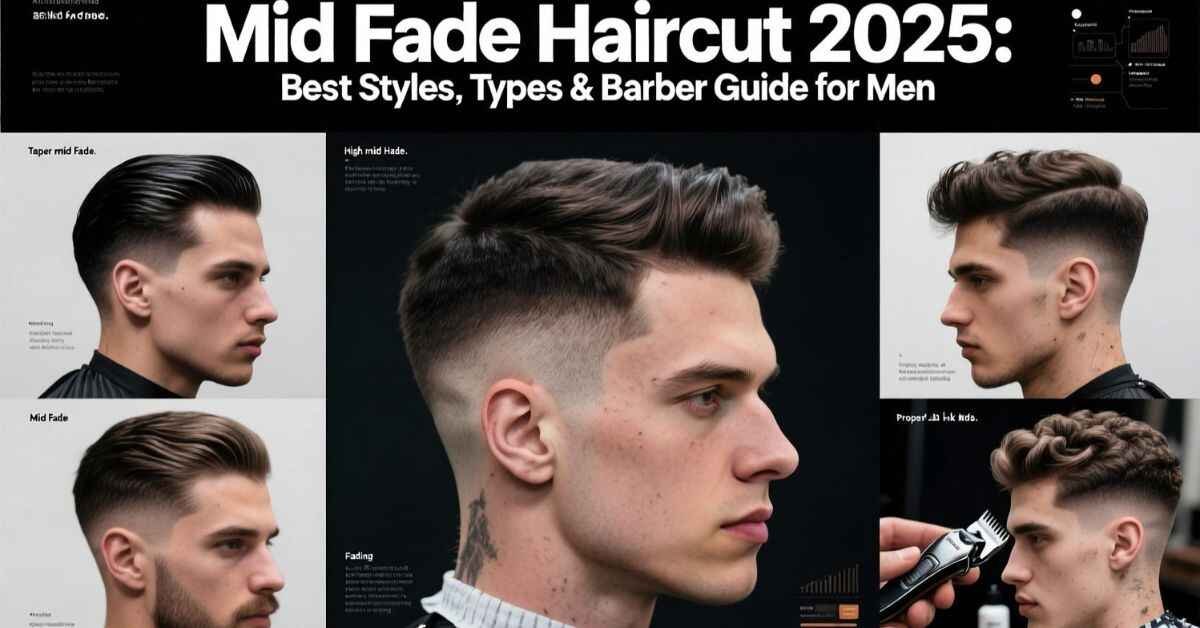
Sometimes choosing a hairstyle feels tougher than it should. You want something sharp but not over the top, stylish yet easy to manage. That’s where the mid fade haircut keeps popping up; it seems like everyone is trying it, but you’re still unsure if it’s the right look for you.
In this blog, we’ll break down everything you need to know about the mid fade haircut. From different fade types and style combinations to tips for face shapes, hair textures, and even beard pairings, you’ll get clear, simple guidance to help you decide with confidence.
What Is a Mid Fade?
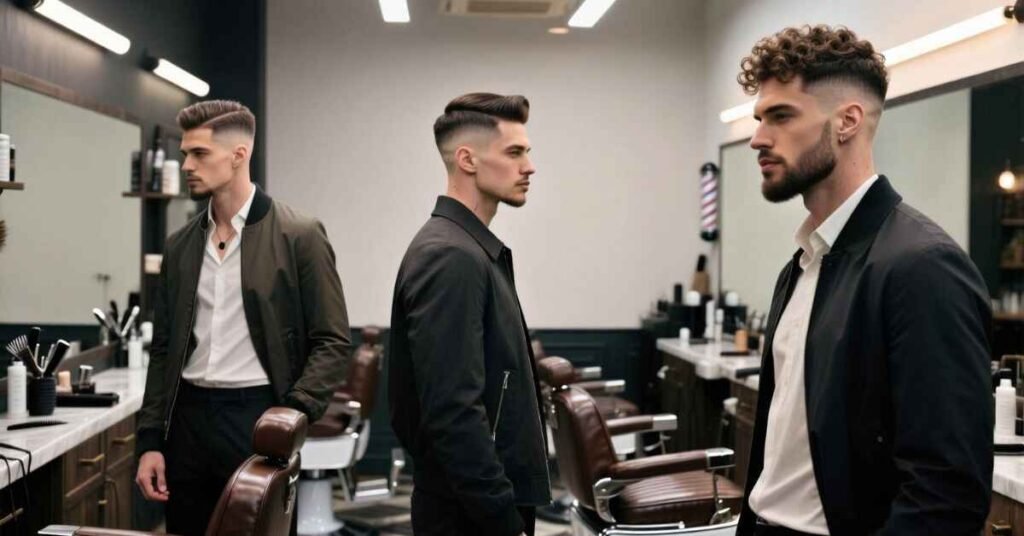
The mid fade haircut begins around the temples or the middle of the head and blends smoothly into longer hair on top. This cut gives a balanced look, falling between the gentle touch of a low fade and the bold edge of a high fade.
This style is popular because it suits most hair types and face shapes, offering both structure and versatility. From quiffs and crops to slick backs and comb-overs, the mid fade adapts easily while adding a modern, stylish edge.
With its clean blend and sharp contrast, the mid fade gives a polished yet trendy look that appeals to many men. It can highlight features like cheekbones and jawlines, making the face appear more defined.
At the same time, it remains flexible enough for both professional and casual settings. While the style delivers a sleek, contemporary vibe, it does require frequent barber visits to maintain its crisp lines and fresh appearance.
Fade Height Guide
- The fade height simply refers to the point on the sides where the fading effect begins.
Low starts near the ear. Mid begins around the temple. High starts near the temples or higher. - Low fade: Subtle and formal. It starts just above the ear, so the transition looks softer. It can make the head look rounder. Styling options are fewer. However, touch‑ups are needed less often.
- Mid fade: Balanced and versatile. It begins at the temples, so the contrast is sharper than usual. It can elongate the head. It fits office and casual settings. You can pair it with a skin fade for extra boldness. Regular trims and basic care keep it sharp.
- High fade: Bold and distinct. It starts high near the temples or parietal ridge. Contrast is strongest and more scalp shows. It can make faces look longer. Barbers usually begin with the shortest guard and fade upward.
- Quick chooser: Pick low for subtle polish. Choose mid for balanced versatility. Go high for maximum contrast and a modern edge.
Mid Fade vs. Low Fade: Which Haircut Is Right for You?
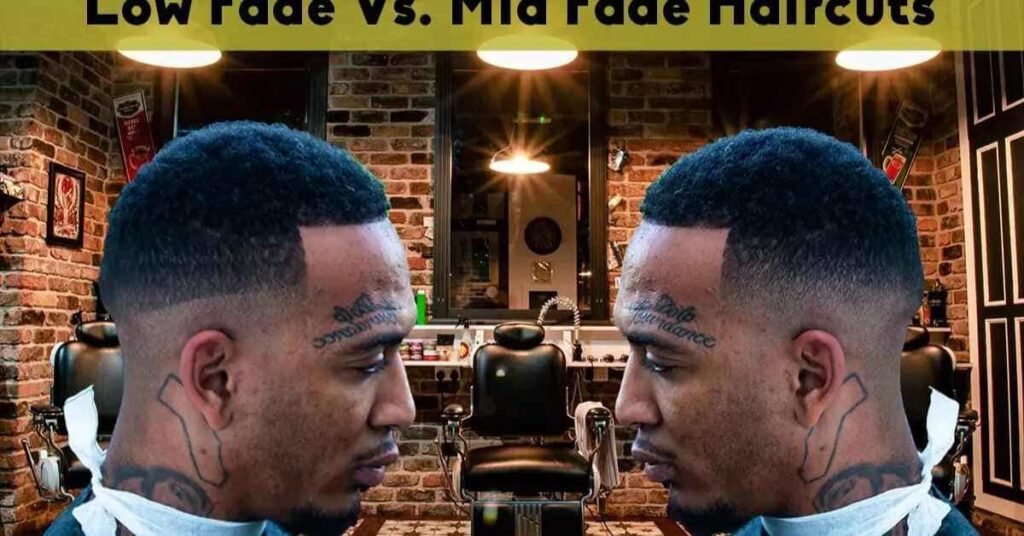
The main difference between a low fade and a mid fade is where the taper starts. A low fade begins by the ear and blends softly down the sides and neckline, giving a neat, understated look. It’s versatile, easy to style, and works well in conservative or formal settings.
The low fade suits most face shapes, especially round or square ones, since its softer graduation can elongate the face. It also requires less frequent upkeep, making it a good choice if you want a low-maintenance cut. A mid fade, on the other hand, starts higher around the temples, creating a sharper contrast between the sides and the longer top.
This style feels bolder and more modern, drawing attention to facial features like cheekbones and jawlines. It works especially well for oval or rectangular faces and pairs nicely with textured, voluminous hairstyles such as pompadours, quiffs, or crops.
However, it needs more regular barber visits to keep the fade looking crisp. In short: choose a low fade for understated versatility and easier upkeep, or a mid fade if you want a sharper, more fashion-forward style.
The Drawbacks of the Low Fade
The low fade is clean and versatile, but its main drawback is that it’s not very bold. Because the fade starts just above the ear, the transition is softer and more subtle, which means it doesn’t stand out as much as mid or high fades. For men wanting a stronger, eye-catching style, it may feel too understated.
Another limitation is styling flexibility. The lower starting point gives less contrast, so it doesn’t always pair well with textured or voluminous hairstyles that need sharper sides. While it is easy to maintain and works for professional settings, the trade-off is that it can seem less dramatic or fashionable compared to higher fades.
The Mid Fade Offers a Great All-Around Look for Any Guy
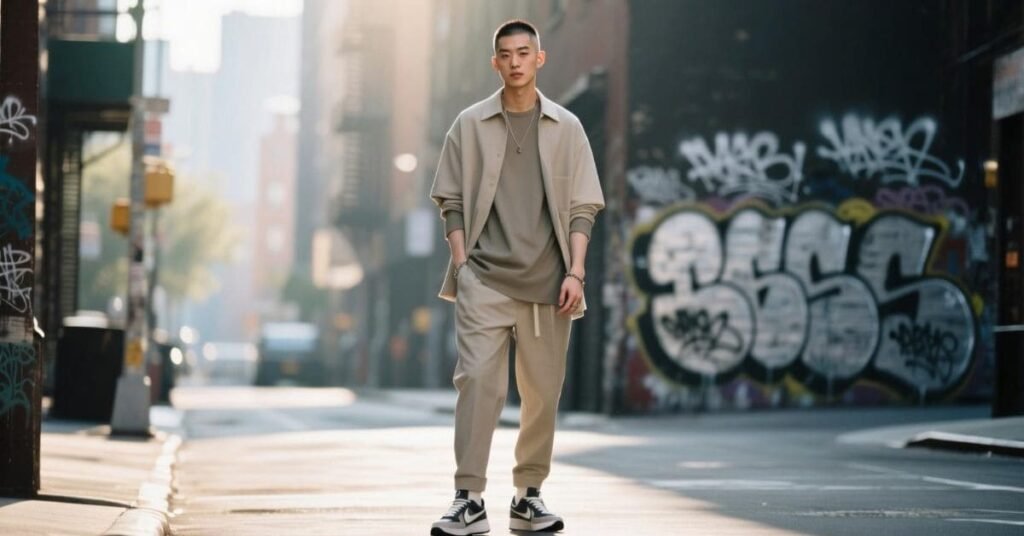
The mid fade is a versatile cut that complements nearly all face shapes, hair types, and occasions. It starts halfway between the temples and ears, blending evenly down the sides and back. This creates a clean, polished, and balanced look without needing complicated styling.
There are many variations of mid-fades. Examples include side part, comb-over, mid drop, mid skin, mid temp, and even designs shaved into the fade. Each style enhances features differently, like defining the jawline, cheekbones, or showing off curls and tattoos, while remaining low-maintenance and stylish.
Mid fades work for short, medium, and long hair. They pair well with textured tops, messy fringes, or sleek combed styles. Hair products like sea salt spray, texture clay, volumizing mousse, or styling cream help boost volume, define texture, and maintain a neat finish.
Face shape and hair type matter. Round faces benefit from more height on top, square faces from softer blends, and oval/heart shapes can pull off almost any mid fade. Curly or thick hair suits tighter sides with longer tops, while fine hair can use powders or clay for fullness.
Key points for getting the right cut:
- Bring a photo reference to your barber.
- Specify fade start, top length, and neckline.
- Ask for advice based on your hair type and facial features.
In short, the mid fade is modern, flexible, and timeless, making it a go-to choice for men who want a stylish yet easy-to-manage haircut.
Types of Mid Fade Haircuts
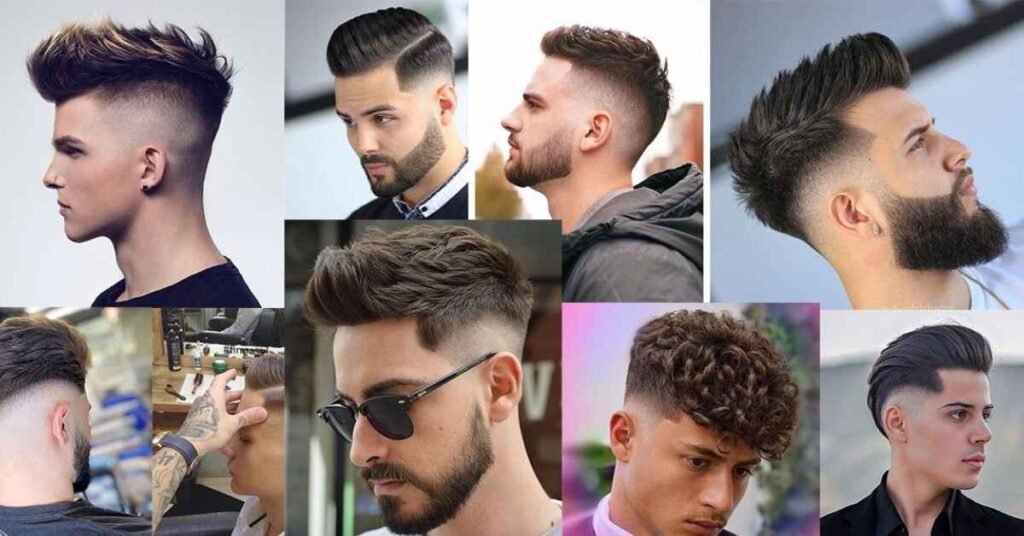
A mid fade haircut starts between the temples and the ears, creating a smooth transition from short sides to longer hair on top. It strikes a balance less bold than a high fade, but more noticeable than a low fade. Mid fades suit almost all face shapes and hair types. They are versatile, low-maintenance, and can pair with styles like quiffs, comb-overs, curls, and textured looks.
Popular Mid Fade Variations:
- Skin Fade: Skin fade blends hair to the scalp for a clean, sharp look.
- Drop Fade: Curves around the head, dropping behind the ears for a trendy style.
- Burst Fade: Creates a rounded, semi-circle effect around the ears.
- Temple (Temp) Fade: Tapers the hair around the temples while keeping the back largely unchanged.
- Short Mid Fade: Works well with buzzcuts, crew cuts, or comb-overs for a low-maintenance look.
- Comb-Over Mid Fade: Keeps volume on top for a professional, polished finish.
- Undercut & Curly Fades: Blend mid fades with textured or curly hair for a stylish, modern edge.
- Shadow Fade: Ideal for thin hair, blending very short sides into slightly longer areas for depth.
Mid Fade vs Other Fades:
- Low Fade: This is a neat and timeless look that begins slightly above the ears.
- High Fade: Starts near the crown; bold and edgy.
- Mid fades offer moderate contrast, perfect for balanced, modern styles.
Choosing the Right Mid Fade:
- Face Shape: Round faces benefit from height on top. Square faces look better with softer blends. Mid fade styles work well on oval and heart-shaped faces.
- Hair Type: Thick or curly hair works with longer tops; straight hair looks sharp with texture; fine hair benefits from styling powders or clay for fuller definition.
Styling Tips:
- Use sea salt spray for texture, mousse for volume, or clay/paste for hold.
- Bring photos to your barber and clearly explain the fade start, top style, and neckline preference.
- Mid fades allow flexibility: you can change the top style while keeping the sides sharp.
Mid Fade Taper Spikes
- Definition & Appeal: The mid taper fade is a haircut where the hair gradually shortens from the middle of the head down to the sides and back. Contrasts with the longer top to emphasize its length. The haircut showcases a bold contrast, drawing attention to the longer top section. It’s a fashionable and flexible option that complements both relaxed and dressy styles.
- Styling with Spikes: Spiky hairstyles pair perfectly with a mid taper fade. Men can create thick, defined spikes or a looser, messier look depending on their preference and hair texture. Spikes add an edgy, youthful vibe while the taper fade keeps the look neat.
- Hair Types & Versatility: The mid taper fade suits almost all hair types, straight, wavy, or textured. It can also help men with thinning hair or receding hairlines by drawing attention to the top and adding volume.
- Styling Products & Techniques: Use pomade, wax, cream, or matte products for texture. Blow-drying and hair spray can add volume, while working with natural hair waves or cowlicks enhances the look.
- Popular Variations:
- Short Hair with Mid Taper Fade: Bold and edgy, easy to maintain.
- Quiff with Mid Fade: Low-maintenance, stylish, slightly brushed-back.
- Crew Cut or Faux Hawk with Mid Fade: Offers clean lines and a modern edge.
- Short Hair with Mid Taper Fade: Bold and edgy, easy to maintain.
- Overall Insight: The mid taper fade with spikes balances sophistication and fun. It creates contrast, frames the face, and allows creativity on top. The style remains timeless yet adaptable to contemporary trends.
Messy Top Bald Fade
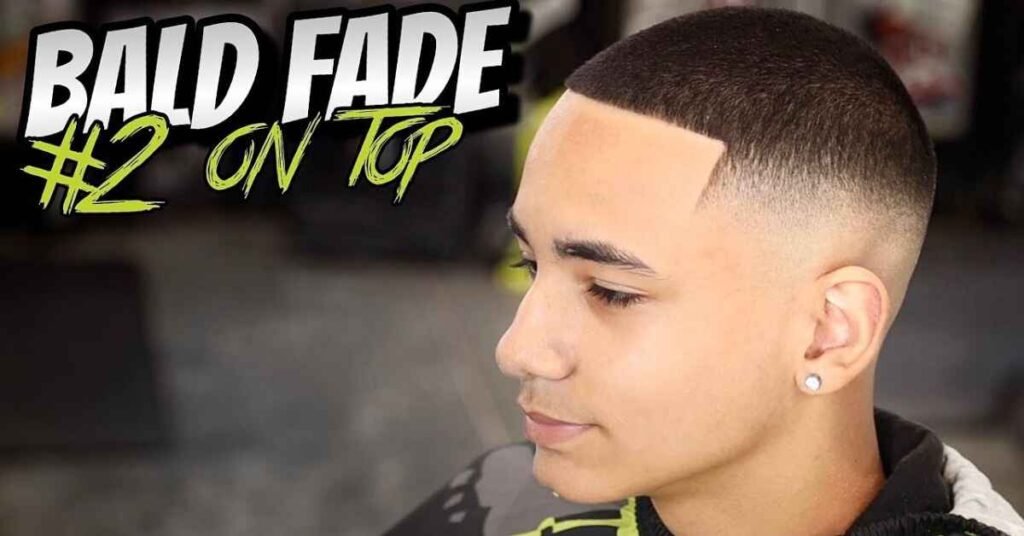
A bald fade tapers hair from the longer top down to bare skin on the sides and back, giving a sharp and polished contrast. You can choose a low, mid, or high bald fade depending on how much hair you want left. The terms bald fade and skin fade refer to the same haircut.
While the fade itself is neat and low-maintenance, the top can be styled freely. A messy top adds texture and personality, making the look casual yet fashionable. Products like texturizing powder or matte pomade can enhance the messy effect.
Achieving a flawless bald fade requires skill, as barbers use clippers to taper the sides and back, then a razor for the skin-tight sections, blending carefully into the top hair.
Bald fades with a messy top work especially well for square or oval faces, giving a fresh, athletic, and stylish vibe. Overall, the messy top bald fade balances a sharp, clean fade on the sides with flexible, textured styling on top, making it both trendy and versatile for any occasion.
Mid Fade: Where It Starts and How It Blends
A mid fade starts in the middle of your head. Hair is longer on top and gradually shortens on the sides and back. The fade transitions evenly from the top down to bare skin or very short hair at the base. You can choose different fade types like taper, bald, or low fade.
Mid fades suit most hair types and face shapes. They are stylish but easy to maintain. You can style the top messy, spiked, or brushed. The blend is key for a clean look. Barbers use clippers with different guards to create a smooth transition. The top hair can be short or long. Mid-fades are versatile for work, casual outings, or parties.
| Fade Type | Starting Point | Blend Style |
| Mid Taper Fade | Middle of the head | Gradual, natural |
| Mid Bald Fade | Middle of the head | Smooth to the skin |
| Mid Drop Fade | Middle back of the head | Curves around the ear |
| Mid Burst Fade | Around ear level | Semi-circular blend |
| Mid Fade with Design | Middle of the head | Fade with shaved patterns |
| Mid Skin Fade | Middle of the head | Smooth to bare skin |
| Quiff with Mid Fade | Middle of the head | Blend to the sides and back |
| Crew Cut Mid Fade | Middle of the head | Short on sides, blended top |
How to Style a Mid Fade Haircut
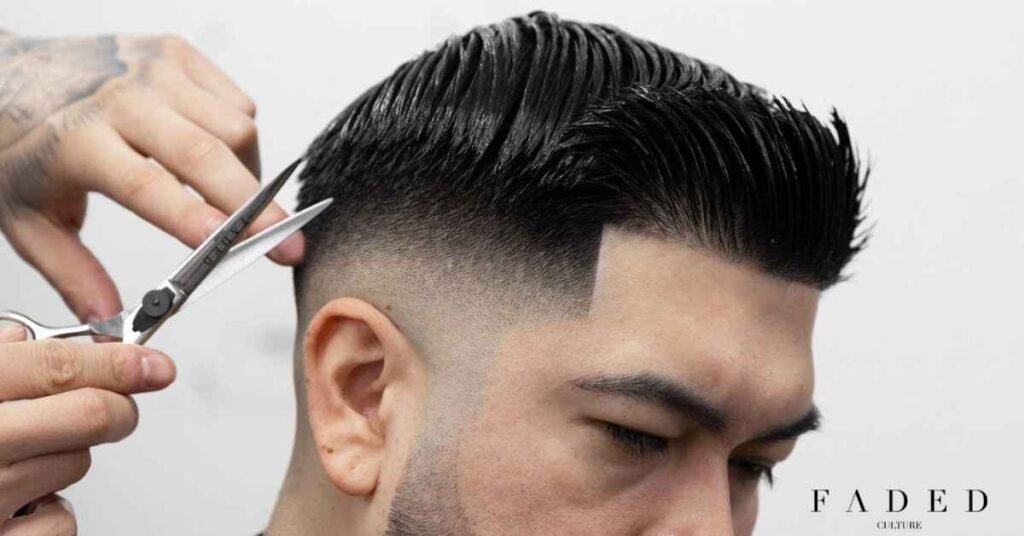
The mid fade is a versatile haircut that blends hair gradually from the sides and back into longer hair on top. Begin styling with clean, slightly damp hair for best results. Use a trimmer with different guard sizes to create the baseline and fade, blending carefully for a smooth transition.
The top can be cut with scissors to the desired length and texture. Hair texture matters: straight hair blends easily, while curly or coarse hair needs careful sectioning and trimming. Using a comb, point-cutting scissors, and a spray bottle helps achieve a neat, even style.
Different variations of the mid fade allow for creative looks. Low and high fades offer subtle or dramatic contrasts, while the skin fade gives a polished, bald finish. Adding a side part, designing shaved patterns, or pairing with curly or long hair creates modern, stylish effects.
Matte paste or diffusers can define texture and add volume, making the hairstyle balanced, professional, and easy to maintain. Regular trimming keeps the fade sharp and clean.
Fade Your Hair in 6 Cool New Styles
A fade haircut remains a timeless, versatile men’s style, blending traditional and modern influences. The core idea is short hair on the sides and back, gradually increasing toward the top.
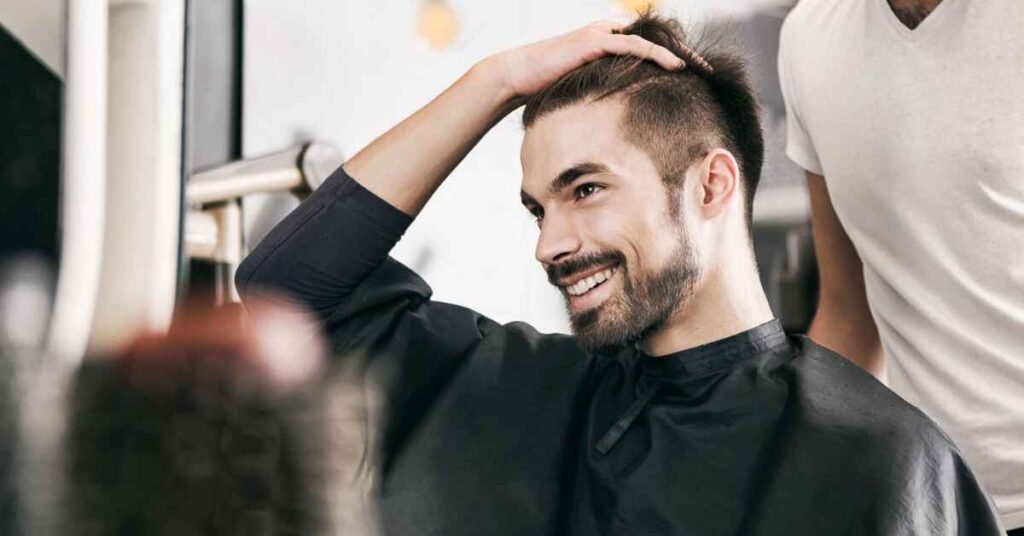
Fades can vary by height, technique, and styling, making them adaptable for different face shapes, hair types, and personal preferences. The key to a great fade is attention to detail, such as the blend point, line definition, and maintaining sharp edges.
There are six distinct approaches to refreshing a classic fade:
- Undercut Fade: Combines an undercut with a fade at the edges. It creates a sharper, edgier look and is easier to grow out while maintaining style. Works well with short mohawks or textured tops.
- Tousled Fade: Keeps the fade slightly longer to show natural hair texture. This style looks effortless and can be styled messy or slicked back. Ideal for a more relaxed, casual look.
- Short Fade with Clippings: Adds clipped lines to a traditional short fade, giving extra definition and a sharper appearance. Clippings can be adjusted for subtle or bold contrast.
- Extra Long Fade: A longer top with a fade on the sides and back. Grown-out fades show hazy lines near the temple and ear, but still look polished when lines are kept sharp.
- Scissor Fade: Uses scissors instead of clippers, ideal for thick, straight hair. Keeps the top longer and creates a more precise, layered transition. Styling products like pomade help define the look.
- Buzz Cut / Brooklyn Fade: A strong, confident cut. The Brooklyn fade, or temple fade, angles across the temple for a fresh twist on the classic fade, providing a bold, modern appearance.
Fade tweaks create a fresh look each season.
Conclusion
In conclusion, the mid fade haircut is a versatile and stylish choice for men. It works well with almost any hair type, face shape, and occasion. Whether you prefer a neat comb-over, messy top, or spiky style, the mid fade gives a clean, balanced look. It is modern yet timeless, making it easy to pair with different hairstyles and beard styles. Regular trims keep the fade sharp, but overall, it remains low-maintenance and flexible.
Choosing a mid fade allows you to express your style without overcomplicating things. You can go bold with designs or keep it classic with a smooth blend. The key is to communicate clearly with your barber and use simple styling products to maintain texture and volume. With the right approach, the mid fade keeps you looking polished, trendy, and confident every day.
FAQs – Frequently Asked Questions
1. Do I need to trim my mid-fade haircut often?
A mid fade haircut usually needs a trim every 2–3 weeks to keep the blend sharp. Styles like a mid skin fade or mid taper fade grow out faster and need more upkeep.
2. Does a mid-fade haircut suit all face shapes?
Yes, Mid-fade haircuts are suitable for most face shapes. A fade for a round face shape benefits from extra height on top, while a fade for a square face shape looks better with softer blends.
3. Can I style a mid-fade haircut at home?
You can maintain the top at home with products like matte paste or pomade for a slick back fade, but the sides and blend are best left to a barber for a clean fade haircut style.
4. Is a mid-fade professional enough for office settings?
Absolutely. A professional fade haircut, such as a comb over mid fade or side part with mid fade, looks neat and works well in office settings while still being stylish.
5. What products work best for styling a mid fade?
For texture, use clay for a textured fade or hair powder for fringe. For shine, a pomade works well with a slick back with mid fade. Curls or waves pair best with a diffuser or sea salt spray.

Muhammad Asif is an experienced SEO expert, specializing in optimizing websites for higher search rankings and better online visibility. With a deep understanding of SEO strategies, he helps businesses achieve their digital marketing goals.