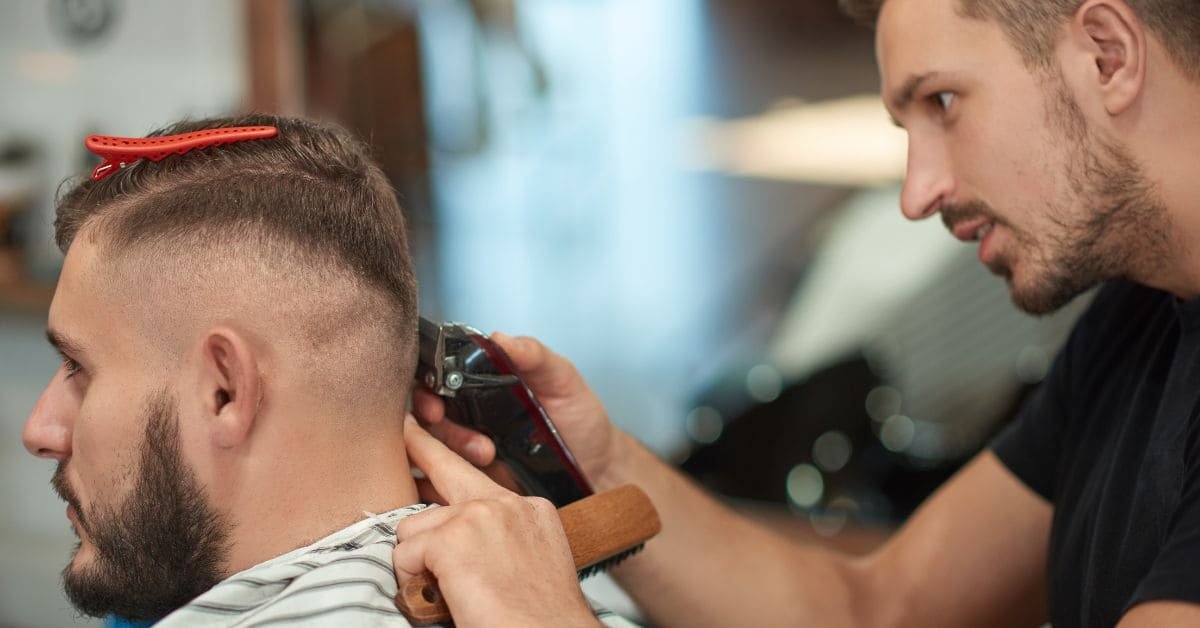
Introduction
Feeling bored with your current hairstyle and craving something new and refreshing? If you’ve been scrolling through options for a new, stylish cut, you might have come across the low taper fade straight hair. It’s a sharp, trendy look, but you may be wondering if it will suit your hair and lifestyle.
In this blog, we’ll break down everything you need to know about the low taper fade straight hair. From how it works to styling tips, you’ll find simple, clear guidance on achieving the look. By the end, you’ll be confident whether this is the cut you’ve been searching for!
What Is a Low Taper Fade?
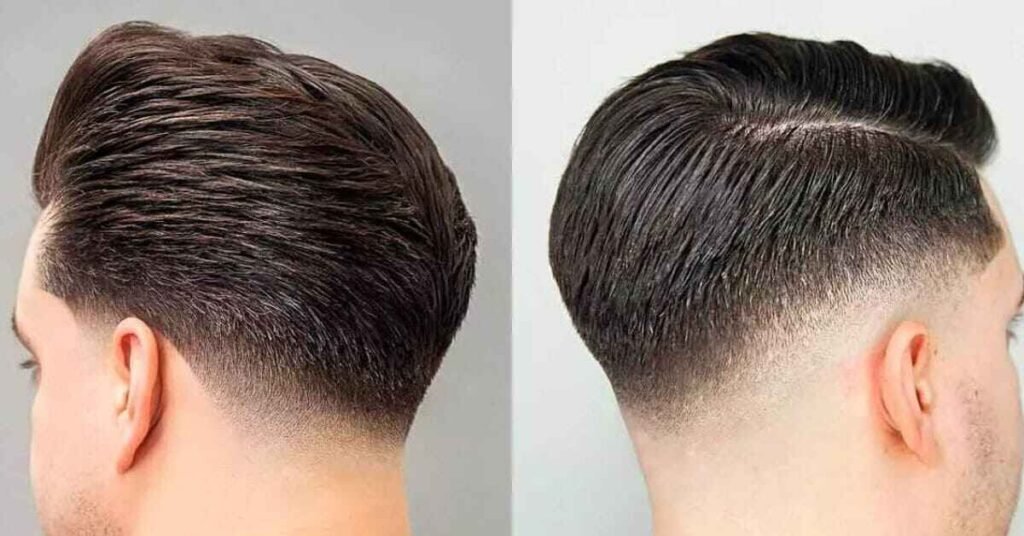
The low taper fade offers a smooth and adaptable look. Longer hair on top transitions smoothly to shorter sections along the sides and back. It starts just above the ears, creating a smooth, subtle fade that gives a polished yet understated look.
This style works well for various hair types and can be adapted to different top hairstyles, including buzz cuts, comb-overs, or even longer textured hair. Unlike higher fade styles, the low taper fade does not draw much attention to the fade itself, making it ideal for those seeking a more refined and professional appearance.
It’s perfect for both everyday wear and special occasions, offering a balanced, sophisticated look. Barbers typically blend the hair carefully to avoid harsh lines, ensuring a smooth, natural fade. This style is easy to maintain and can grow out without losing its overall shape, making it a great long-term choice for many men.
Taper vs. Fade – What’s the Difference?
The main difference between a taper and a fade lies in how the hair transitions from long to short. A taper features a gradual change in length, maintaining more hair overall, while a fade has a sharper, more abrupt transition that typically cuts closer to the skin.
The fade creates a bold, high-contrast look, making it more modern and edgy, whereas the taper offers a more subtle, polished, and classic appearance. Fades require more maintenance because they’re cut shorter and need regular touch-ups to keep their sharp look.
In contrast, tapers are more versatile in styling and require fewer visits to the barber. You can style tapers in various ways, such as combing them back or adding texture, making them suitable for different occasions. While fades are trendy and dramatic, tapers are timeless, offering a more refined and sophisticated option for those seeking a versatile, everyday style.
Taper Fade vs. Skin Fade
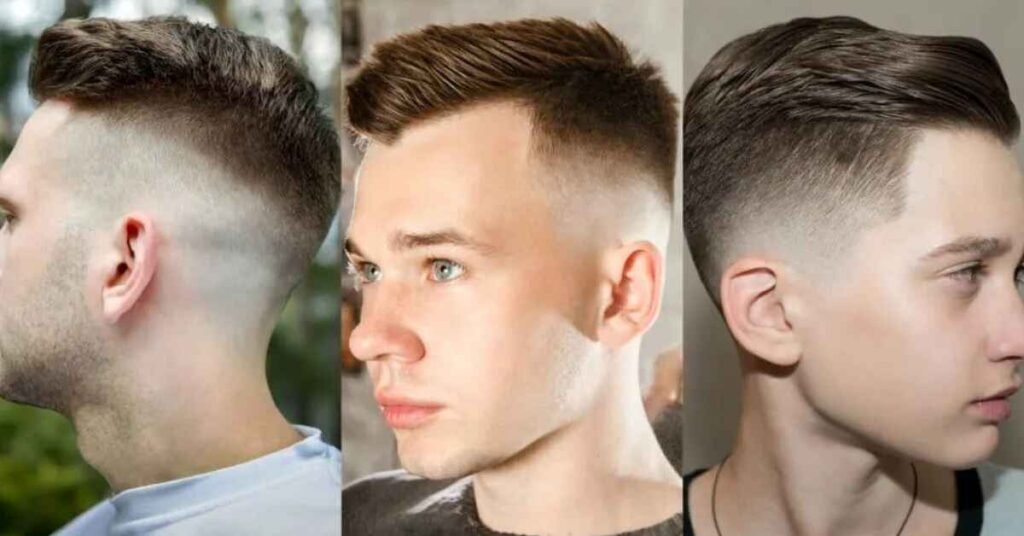
The taper fade and skin fade are both popular haircuts, but they differ in the level of contrast and how the hair transitions. A taper fade combines a gradual length change from long hair on top to shorter sides, while a skin fade takes the cut much closer to the scalp, exposing the skin for a sharper look.
The skin fade is more dramatic, giving a high-contrast, modern feel, while the taper fade is subtler and more classic. Taper fades require less frequent maintenance compared to skin fades because they’re less dramatic and maintain a softer contrast.
A skin fade needs more regular touch-ups to keep its sharpness. Both cuts offer versatility and can be paired with various top styles like comb-overs, pompadours, or faux hawks, but taper fades provide a more polished and refined look, while skin fades are edgier and more trendy.
Low Taper Fade Variations for Straight Hair
The low taper fade is a highly versatile haircut that blends sophistication with modern style, making it suitable for all hair types, including straight hair. It offers a clean and balanced appearance, with a gradual transition from longer hair on top to shorter sides and back.
This style can be adapted to various hairstyles, from comb-overs and textured crops to pompadours and faux hawks. The beauty of the low taper fade lies in its ability to work for both casual and professional settings, ensuring a polished yet contemporary look.
Several popular variations of the low taper fade cater to different preferences, such as the Low Taper Fade Mullet, which combines retro and modern styles, and the Side Swept Ivy League, offering a sleek and polished look.
Other styles include the Low Taper Faded Undercut for an edgier appearance, the Comb Over with Low Taper for a professional finish, and the Textured French Crop with Low Taper, which adds a bold, modern touch.
Whether you prefer a short buzz cut, curly hair, or long hair slicked back, the low taper fade provides numerous options to express personal style while keeping the hair neatly trimmed and well-defined.
Popular Low Taper Fade Haircuts
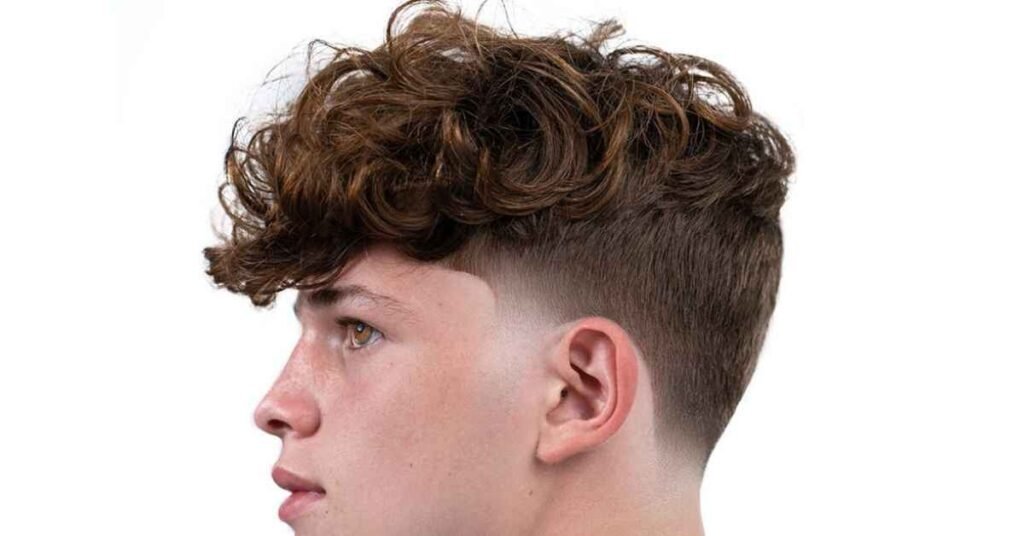
The Low Taper Fade is a popular and versatile haircut that can be styled in many ways to suit different tastes. This haircut features a gentle fade that starts slightly above the ears. It then tapers down smoothly along the sides and This subtle, clean look works with many hairstyles, from side-swept short hair and Ivy League to faux hawks and pompadours.
Some popular variations include the Low Taper Fade Mullet, blending retro and modern styles, and the Textured French Crop, which emphasizes a bold fringe. The Low Taper Faded Undercut pairs well with tall, brushed-back styles, while the Messy Curls with Low Taper Fade brings out natural texture.
For a trendy, youthful look, the Low Drop Fade and Low Burst Fade offer a unique contrast. The Low Taper Fade with Buzz Cut gives a clean, low-maintenance finish. The Low Taper Fade is perfect for men looking for a stylish yet easy-to-maintain cut. It complements various top styles and hair textures.
Best Low Taper Fade Hairstyles for Straight Hair at a Glance
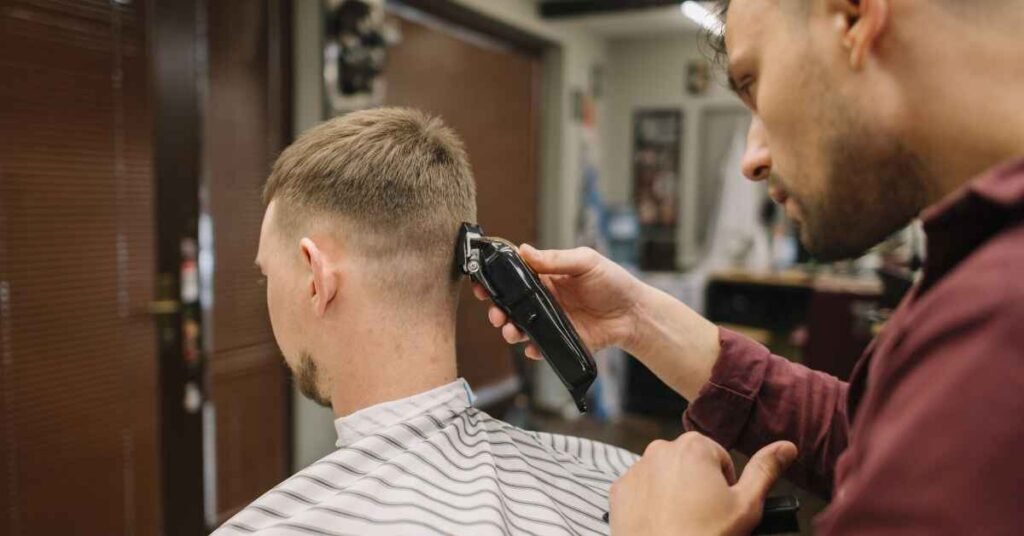
The Low Taper Fade is a versatile and stylish haircut that is perfect for men who want a clean, subtle look without too much maintenance. Beginning close to the ears, it gradually tapers for a sleek and polished appearance. The low fade can be paired with various hairstyles such as side-swept Ivy League, pompadours, and faux hawks for a modern, sleek finish.
Some popular variations of the low taper fade include:
- Textured French Crop: features uneven layers paired with a strong, straight-across fringe.
- Brush Up: This style adds height and volume, making it ideal for men who want a more dynamic style.
- Low Drop Fade: Creates a rounded profile with a smooth transition to the back, perfect for those seeking a more clean-cut appearance.
- Low Taper Mullet: Combines a short front with a longer back, offering a unique, edgy look.
The low taper fade can also be adapted for different hair types, such as curly hair or straight hair, and it can be styled in various ways, from messy textures to slicked-back looks. It’s easy to maintain, making it suitable for busy professionals or those who prefer minimal styling.
Taper Haircut + Long Bang
The Taper Haircut + Long Bang is a stylish and bold choice. It combines the neatness of a taper fade with the dramatic flair of long bangs.
Here are the key takeaways:
- Low Maintenance: This style is perfect for men who want a clean, structured look without needing to style it every day. Low taper fade gives clean sides, while bangs add volume and texture.
- Styling Tips: To maintain long bangs, blow-dry them for volume and direction, then use a lightweight pomade or wax to keep them in place without making them stiff. For a textured look, finger-style the bangs or use a comb for a sleeker finish.
- Customization: Bangs can be tailored in length and volume to match your style. For a sharper, more dramatic effect, opt for a thicker, fuller fringe.
- Versatility: haircut suitable for various hair textures and face shapes. It works well with both straight and wavy hair, giving a youthful and edgy appearance while still looking polished.
- Maintenance: Regular trims are important to keep both the taper fade and the bangs looking sharp. Touch up your style throughout the day if needed to maintain its shape.
This hairstyle is great for those who want a standout look with the low-maintenance convenience of a taper fade.
Styling Products and Maintenance
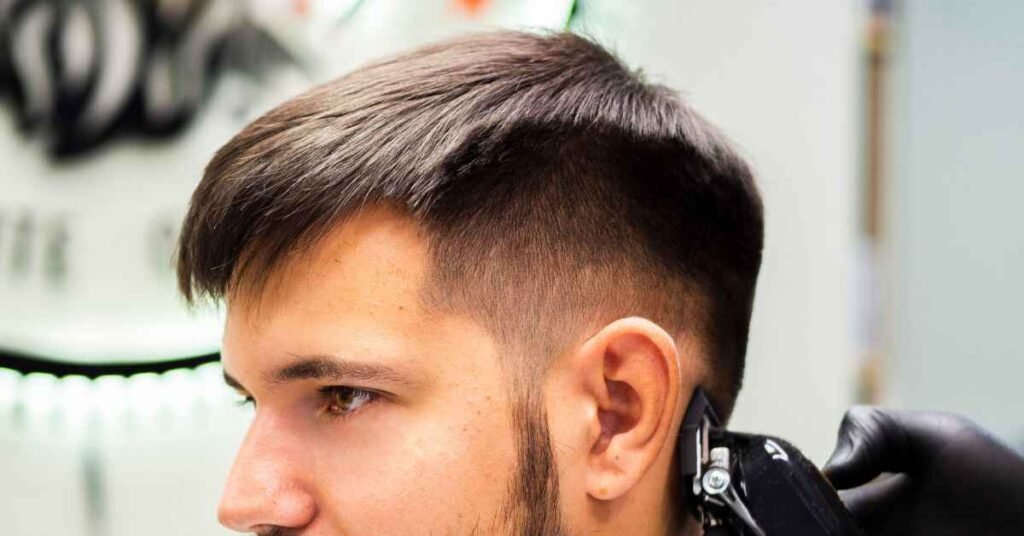
To keep a taper haircut with long bangs looking sharp, you need the right products. Blow-dry the bangs to boost volume. A lightweight pomade or wax helps hold the bangs in place without making them stiff. For texture, use a texturizing powder. This will keep your bangs looking fresh all day.
Maintaining the clean lines of the taper fade requires regular trimming. Get a trim every few weeks to keep the fade looking sharp. Also, use a small comb to touch up the bangs if they lose their shape during the day. A light mist of hairspray can help keep everything in place without making it too heavy.
Here’s a table summarizing the styling products and maintenance tips for a taper haircut with long bangs:
| Product/Tool | Purpose | Usage Tips |
| Blow-dryer | Adds volume to the bangs. | Blow dry upwards or sideways to create sharp bangs. |
| Lightweight Pomade/Wax | Holds bangs in place without stiffness. | Apply sparingly, focusing on roots for structure. |
| Texturizing Powder | Adds texture and volume to the top. | Use a small amount for a natural, messy look. |
| Hairspray (Flexible Hold) | Holds the style without feeling stiff. | Lightly mist after styling for a flexible hold. |
| Small Comb | Helps with touch-ups and keeping bangs in shape. | Use throughout the day to smooth and refresh bangs. |
| Trims | Maintains clean lines of the fade and bangs. | Get a trim every 3-4 weeks to keep the fade neat. |
This table gives you a quick reference to keep your taper fade and long bangs looking fresh with minimal effort.
Trimming Frequency Summary
Hair condition, texture, and length determine how often you should cut your hair. While there is no universal rule, most people should get a trim every 6-8 weeks to maintain healthy hair and their desired style. Those with damaged, fine, or heat-styled hair may need trims more often, such as every 4-6 weeks, to prevent split ends and breakage. On the other hand, thicker or curly hair can go longer between trims, usually 8-12 weeks.
Signs that indicate you need a trim include split ends, difficult styling, lack of volume, or tangling at the ends. Trimming your hair regularly helps prevent further damage, maintain hair growth, and keep your style looking fresh. Although trimming doesn’t speed up hair growth, it helps eliminate damaged ends, making it easier for your hair to grow long and healthy.
How Man of Many Selected the Top Taper Haircuts for Men
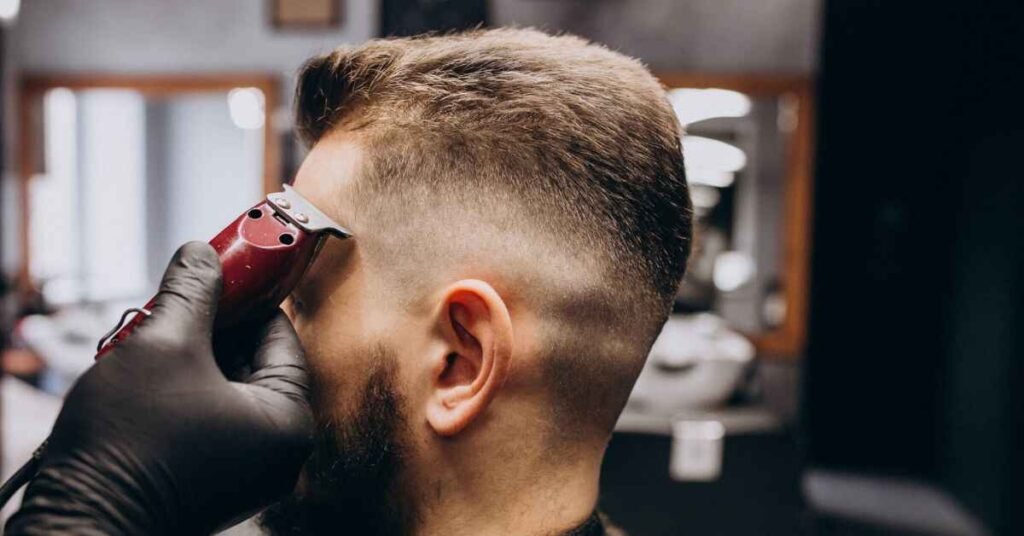
Taper fade haircuts are a timeless and versatile option for men, offering a gradual fade that blends the hair from short to long, starting from the sideburns and nape. This style can be customized to suit various hair textures and face shapes, offering a unique and tailored appearance.
Popular taper fade styles include the low taper fade (for those who prefer a subtle change), mid taper fade (balanced and stylish), and high taper fade (offering a bold and dramatic look). These styles can be combined with various hairstyles, such as pompadours, quiffs, and textured tops, making them suitable for a wide range of personal styles.
Regular trims are essential to maintain the sharpness and clean look of a taper fade. The frequency of trims depends on hair type, style, and personal preference. Most people get a trim every 6 to 8 weeks. Men with curly hair may require more frequent trims to keep their style defined. Those with straight hair can usually go longer between cuts.
Stylists recommend using styling products such as pomade, wax, or hairspray for added volume and texture. These products are especially useful for hairstyles with longer bangs or voluminous tops. Regular upkeep ensures the fade stays fresh, and the style remains sharp throughout the week.
Conclusion
To sum up, taper fade haircuts offer a timeless and versatile option for men. Barbers offer a smooth transition from short to long hair, and you can style it in many ways. Whether you choose a low, mid, or high fade, you can customize each style to suit your preferences. Regular trims are key to keeping the fade fresh and sharp, making sure your hairstyle always looks its best.
If you want a stylish cut that’s easy to maintain, the taper fade is ideal. With the right products and a bit of care, this haircut can complement any look, from casual to formal. Whatever your hair texture or look, a taper fade can suit you perfectly.
FAQs – Frequently Asked Questions
- What is a taper fade haircut?
A taper fade is a haircut where the hair gradually shortens from the top to the sides and back. It creates a smooth transition. - How often should I trim my taper fade?
You should trim a taper fade every 4-6 weeks, depending on hair growth and style, to maintain a fresh look. - Can I style a taper fade with curly hair?
Yes, Taper fades complement curly hair by enhancing its shape and keeping the sides clean and easy to handle. - Is a taper fade good for long hair?
Yes, a taper fade can complement long hair by keeping the sides short. It leaves the top long, offering a balanced look. - How can I maintain my taper fade?
Regular trims and using styling products like pomade or wax will help keep your taper fade sharp and stylish.

Muhammad Asif is an experienced SEO expert, specializing in optimizing websites for higher search rankings and better online visibility. With a deep understanding of SEO strategies, he helps businesses achieve their digital marketing goals.