Unlock the Secret to Glossy, Healthy Hair with the Right Hairstyle. Gorgeous, glossy hair doesn’t happen by accident. Behind every enviable mane is often a carefully chosen hairstyle oil working its magic.
Whether you’re battling frizz on humid days, trying to revive dry and damaged strands, or simply want that salon-worthy shine at home, the right hairstyle oil can transform your hair game completely.
But here’s the challenge: walk down any beauty aisle and you’ll find dozens of bottles promising miracles. Argan oil, coconut oil, jojoba oil, lightweight formulas, and intensive treatments. The options are endless and, honestly, overwhelming.
Which one actually works? How do you use it without ending up with greasy, limp hair? And can hairstyle oil really deliver on those bold promises?
In this comprehensive guide, we’re cutting through the confusion. You’ll discover everything you need to know about hairstyle oils, from understanding what makes them work to finding the perfect match for your unique hair needs.
We’ll explore the science behind these miracle workers, share expert application techniques, and reveal the best hairstyle oils that actually live up to the hype.
Ready to unlock your hair’s full potential? Let’s dive in.
What is Argan Oil?
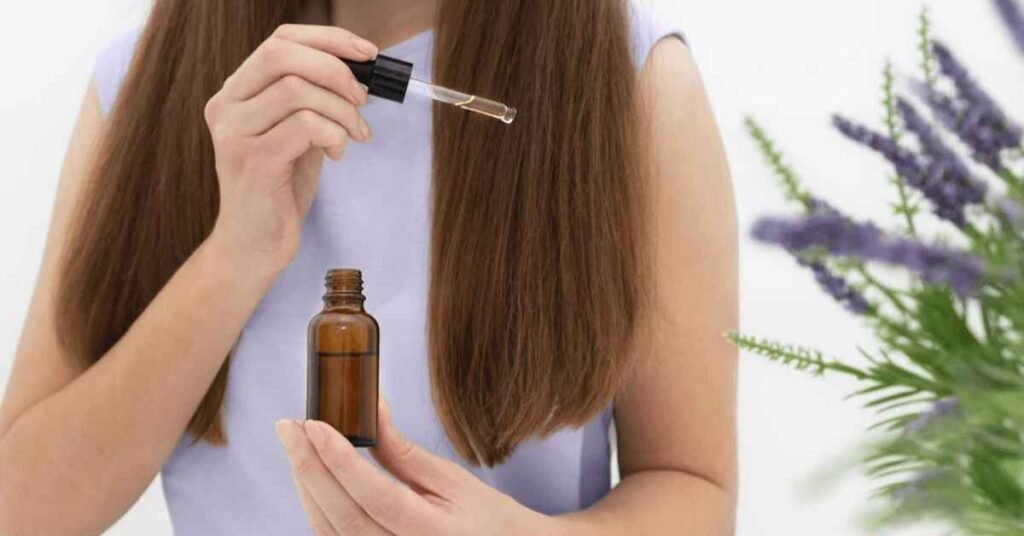
Argan oil has earned its reputation as liquid gold in the beauty world, and for good reason.
This luxurious oil comes from the kernels of the Moroccan argan tree, scientifically known as Argania spinosa. The extraction process involves cold-pressing unroasted kernels, which preserves all the beneficial properties that make this oil so special.
What sets argan oil apart from other hairstyle oils is its unique composition. It’s packed with essential fatty acids that your hair craves, powerful antioxidants that protect against environmental damage, and vitamin E that nourishes from root to tip.
Think of it as a multivitamin for your hair. The fatty acids work to moisturize and soften each strand, while the antioxidants shield your hair from pollution, UV rays, and daily styling damage.
The vitamin E content strengthens hair follicles, which can improve overall hair health and manageability.
One of the best things about argan oil? It’s incredibly versatile. Whether you have thick, coarse curls or fine, straight hair, there’s an argan oil formula that works for you.
Full-strength argan oil is perfect for thicker, curly, or coarser hair types that can handle more intensive moisture. These hair types typically absorb the oil well without looking greasy.
If you have fine, thin, or shorter hair, don’t worry. Lightweight versions of argan oil exist specifically for your hair type. These formulas provide all the benefits without weighing down delicate strands.
The key is finding the right concentration for your specific needs.
What Are the Benefits of Using Argan Oil on Your Hair?
The benefits of incorporating argan oil into your haircare routine extend far beyond basic conditioning.
First and foremost, argan oil is exceptional at combating dryness. If your hair feels like straw or looks dull and lifeless, this oil penetrates deep into the hair shaft to restore moisture from within.
It doesn’t just sit on the surface. It actually works its way into the structure of your hair.
For those dealing with damaged hair, argan oil can be transformative. Whether your damage comes from excessive heat styling, chemical treatments like coloring or perming, or environmental factors, this oil helps repair and restore.
The antioxidants in argan oil work to reverse some of the damage caused by free radicals. Meanwhile, the fatty acids help rebuild the hair’s protective barrier.
Frizz is another common hair concern that argan oil addresses beautifully. By smoothing down the hair cuticle and sealing in moisture, it prevents that puffy, unruly texture that humidity brings.
Your hair stays sleek and manageable throughout the day, even in challenging weather conditions.
Scalp health is equally important, and argan oil delivers here too. It can help soothe itchy, dry scalp conditions and may even help with dandruff.
The moisturizing properties extend to your scalp, creating a healthier environment for hair growth.
Split ends, while impossible to truly repair without scissors, can be temporarily sealed and prevented with regular argan oil use. The oil fills in the gaps in damaged cuticles, making split ends less visible and preventing new ones from forming.
Perhaps most noticeably, argan oil adds incredible shine. That glossy, healthy look you see on hair in magazines? That’s often the result of quality hair oil.
It reflects light beautifully, making your hair look vibrant and full of life.
Does Argan Oil Encourage Hair Growth?
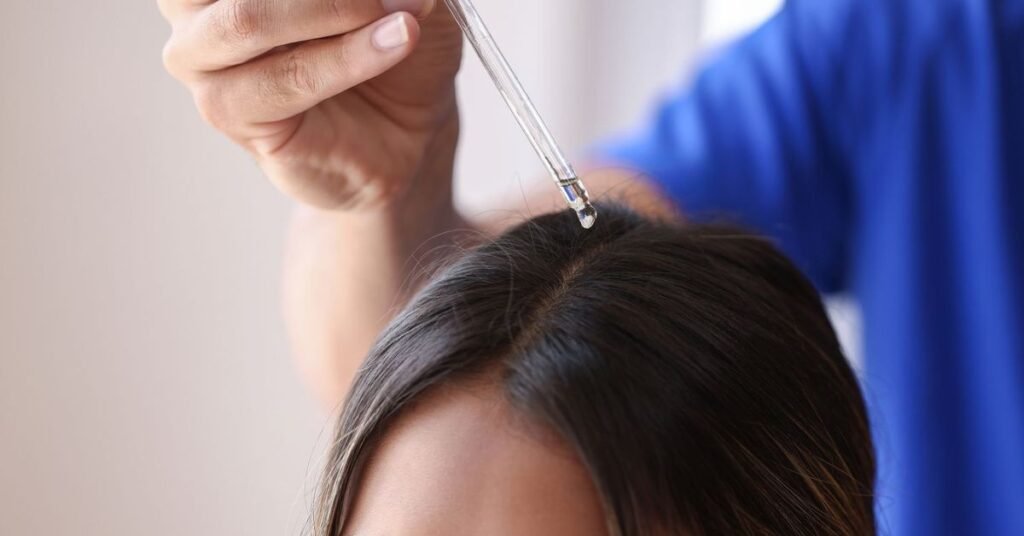
This is one of the most common questions about argan oil, and it deserves an honest answer.
While argan oil offers numerous benefits for hair health, the scientific evidence supporting its ability to directly promote hair growth is limited.
Let’s be clear: argan oil won’t magically make your hair grow faster or thicker overnight.
However, that doesn’t mean it’s useless for those concerned about hair growth. Here’s the nuanced truth.
Argan oil creates optimal conditions for hair growth by maintaining scalp health. A healthy, well-moisturized scalp is essential for supporting hair follicles.
When your scalp is dry, inflamed, or unhealthy, it can impede the natural growth cycle.
The vitamin E and antioxidants in argan oil also help protect existing hair from breakage. When your hair breaks less frequently, it retains length better, which can give the appearance of faster growth.
It’s not technically making hair grow quicker, but you’re keeping more of the length you grow.
Hair growth is actually influenced by a complex mix of factors. Genetics plays the biggest role in determining your hair’s growth rate and thickness.
Hormonal balance, overall health, nutrition, and how you care for your hair also matter significantly.
If you’re genuinely concerned about hair growth or experiencing hair loss, the best approach is comprehensive. Focus on eating a balanced diet rich in proteins, vitamins, and minerals.
Avoid excessive heat styling and harsh chemical treatments that can damage follicles.
Be gentle when brushing, especially when hair is wet and vulnerable. Avoid tight hairstyles that create tension on the scalp.
And most importantly, if you notice significant hair loss or thinning, consult with a healthcare professional or dermatologist. They can evaluate your specific situation and recommend evidence-based treatments.
So while argan oil alone won’t dramatically accelerate hair growth, it absolutely supports overall hair health, which is the foundation for growing strong, beautiful hair.
How to Use Hair Oil
Mastering the application of hairstyle oil can mean the difference between gorgeous, glossy hair and a greasy disaster.
The good news? Once you understand the techniques, using hair oil becomes second nature.
The most important principle to remember is this: start with less than you think you need. You can always add more, but removing excess oil requires another wash.
For most hair types and lengths, start with a coin-sized amount, roughly equivalent to two or three pumps from a bottle. If you have very long or particularly thick hair, you might need slightly more.
Very short or fine hair will need less.
Before applying to your hair, always warm the oil between your palms. Vigorously rub your palms together for a few seconds.
This heat helps activate the oil and makes it spread more easily and evenly through your hair.
Never pour oil directly onto your head. This creates concentrated spots that are difficult to distribute and often leads to greasiness.
When it comes to application zones, the golden rule is to focus on mid-lengths to ends. These are the oldest, driest parts of your hair that need the most attention.
Unless you have a very dry scalp or are doing a specific scalp treatment, avoid applying oil to your roots. Oil at the roots can make hair look flat, greasy, and unwashed, even when it’s freshly cleaned.
The application method matters too. Use your fingertips to gently work the oil through your hair, never your palms.
Rubbing with your palms creates friction and can cause breakage, especially on fragile, damaged hair.
Gently rake your fingers through your hair, ensuring even distribution. For curly hair, scrunching motions work better than raking.
Timing is everything with hair oil. You can apply it to wet hair after washing, to dry hair as a finishing touch, or as an intensive overnight treatment.
Each method serves different purposes, which we’ll explore in detail.
Consistency is key to seeing real results. Hair oil isn’t a one-time miracle worker. Regular use, anywhere from once a week to daily depending on your hair’s needs, is what delivers the transformation.
Most people see noticeable improvements in hair texture, shine, and manageability within two to four weeks of consistent use.
How to Use Hair Oil on Wet Hair
Applying hairstyle oil to wet hair is one of the most effective ways to prevent damage and lock in moisture.
This technique is particularly beneficial if you regularly heat style your hair or struggle with tangles.
Start with freshly washed hair. After shampooing and conditioning as usual, gently squeeze out excess water with your hands.
Your hair should be moist but not dripping with water. If it’s too saturated, the water will prevent the oil from penetrating properly.
Consider how you dry your hair after washing. Traditional terry cloth towels can be rough on wet hair, causing friction and breakage.
For best results, use a microfiber towel or even a soft cotton t-shirt. These materials are gentler and reduce the risk of damage.
Pat your hair dry rather than rubbing vigorously. Wet hair is in its most vulnerable state, and aggressive towel-drying can rough up the cuticle and cause frizz.
Once your hair is damp and towel-dried, dispense your hairstyle oil into your palms. Remember, start with a small amount.
Warm it between your hands and then begin application.
For wet hair application, start at the ends and work your way up to mid-lengths. Use your fingertips to gently distribute the oil, ensuring every section gets coverage.
Pay extra attention to the ends, which tend to be the driest and most damaged areas.
If you have tangles, this is the perfect time to address them. The oil provides slip, making it easier to gently detangle without causing breakage.
Use a wide-tooth comb or a specialized detangling brush, always starting from the ends and working your way up to the roots.
After applying oil, you have options for drying. Air-drying is the healthiest choice, allowing your hair to dry naturally without heat damage.
The oil will seal the cuticle as it dries, locking in moisture.
If you need to use heat styling tools, keep the temperature on a lower setting. The oil provides some heat protection, but it’s not a substitute for a dedicated heat protectant spray.
For maximum protection, consider using both.
One important note: avoid putting your hair up in tight styles immediately after applying oil. Your strands are vulnerable right after oil application.
Tight ponytails, braids, or buns can create tension that leads to breakage or even split ends.
If you need to tie your hair back, opt for a very loose bun or a soft scrunchie that won’t create creases or pull.
How to Use Hair Oil on Dry Hair
Applying hairstyle oil to dry hair serves a different purpose than wet application, and it’s perfect for touch-ups throughout the day.
This technique is ideal when you want to add shine, tame flyaways, or give your styled hair that extra polish.
Start with completely dry, already styled hair. Whether you’ve blow-dried, straightened, curled, or left it natural, dry hair application works as a finishing step.
Dispense a very small amount of oil into your palms. When working with dry hair, less is definitely more.
You need even less product than you would on wet hair because dry hair absorbs oil differently.
Rub the oil between your palms until you feel it warm up. This step is crucial. Warm oil distributes more evenly and won’t create patchy, greasy spots.
Now for application: gently smooth the oil over the surface of your hair, focusing on the mid-lengths and ends.
Think of this as glazing your hair rather than saturating it. You’re creating a light, protective layer that catches the light and adds shine.
For medium to long hair, you can run your oil-coated hands lightly over the top layer of your hair, then gather your hair and gently smooth the remaining oil over the ends.
This technique ensures the most visible parts of your hair look polished while the ends get extra moisture.
If you have short hair, focus only on the ends and any areas prone to frizz or dryness.
The dry hair application technique is fantastic for several purposes. Adding it gives your hair an instant shine, perfect for special occasions or photos, leaving it looking healthy and vibrant.
It tames frizz and flyaways caused by static or humidity, keeping your style intact throughout the day.
It also provides protection against environmental stressors like UV rays, pollution, and wind.
One important caution: don’t mix hair oil with certain other styling products. Specifically, avoid layering oil with hairspray or dry shampoo.
These products alter hair’s texture, making it rougher and more matte, which completely contradicts what oil does.
They work at cross-purposes, and you won’t get the benefits of either product.
If you use hairspray, apply it before your hair oil or skip the oil altogether. The same goes for dry shampoo, which absorbs oil by design.
For special events or when you want your hair to look its absolute best, the dry hair oil application is your secret weapon.
It takes seconds but makes a noticeable difference in how polished and healthy your hair appears.
How to Use Hair Oil for Frizzy Hair
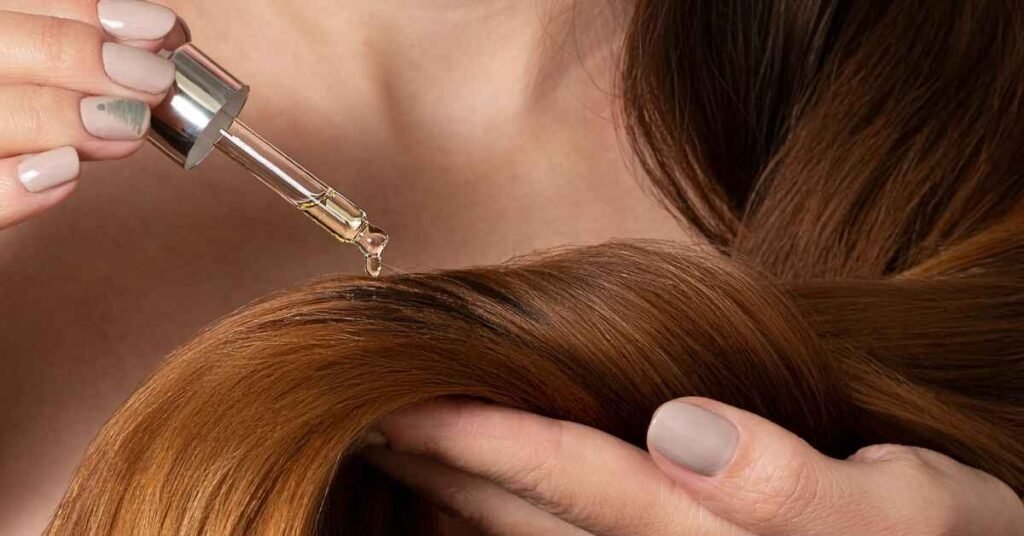
If you have curly, wavy, or naturally frizz-prone hair, hairstyle oil can be absolutely transformative.
The right oil and application technique can mean the difference between unruly, puffy hair and defined, glossy curls or waves.
Frizz happens when the hair cuticle is raised and rough rather than smooth and flat. Moisture from the air penetrates these raised cuticles, causing individual strands to swell and separate.
Hair oil works by smoothing down the cuticle and creating a protective barrier against humidity.
For frizzy or curly hair, the best time to apply oil is on freshly washed, damp hair. Start with your regular wash routine using products designed for your hair type.
If frizz is a persistent problem, consider using a moisturizing shampoo and conditioner specifically formulated for frizz control.
After washing, the drying method is crucial. As mentioned earlier, traditional towels can create friction that leads to frizz.
Use a microfiber towel or soft t-shirt to gently squeeze water from your hair. Never rub or twist your hair aggressively.
With your hair still damp, apply your hairstyle oil. For curly or frizzy hair, you’ll likely need a bit more product than someone with straight hair.
Start with a coin-sized amount and add more if needed.
Here’s the key technique for frizzy hair: scrunch, don’t smooth. Apply the oil to your palms, warm it up, then flip your head upside down.
Scrunch the oil into your hair from ends to mid-lengths, using an upward squeezing motion.
This scrunching technique encourages curl formation and volume while distributing the oil evenly.
Continue scrunching for two to three minutes. This helps activate your natural curl pattern while the oil seals the cuticle.
Keep your head upside down during this process for maximum volume at the roots.
After scrunching in the oil, resist the urge to touch your hair as it dries. Every time you touch-dry hair, you risk creating frizz.
Air-drying is ideal for maintaining defined, frizz-free curls or waves.
If you need to speed up the drying process, use a diffuser attachment on your hair dryer. Keep it on a low heat setting and continue the scrunching motion as you dry.
Here’s an important tip specifically for curly hair: always work from bottom to top when applying products.
Straight hair allows natural scalp oils to travel down the hair shaft easily, but curly hair’s spiral shape blocks this natural moisturizing process.
By applying oil from ends upward, you ensure that the driest parts of your hair get the moisture they desperately need.
For extremely frizz-prone hair, you can apply a tiny amount of oil to completely dry hair as well, using the scrunching method.
This provides an extra layer of frizz defense throughout the day.
Putting a Range of Formulas to the Test: We’ve Found the Oils for Every Hair Type
Not all hairstyle oils are created equal, and finding your perfect match depends on understanding your specific hair needs.
The hairstyle oil market has exploded in recent years, with formulas targeting everything from fine, flat hair to thick, coarse curls.
Some oils are lightweight and designed to add shine without weight, while others are rich, intensive treatments for severely damaged or very dry hair.
Understanding the different types of oils and their properties helps you make an informed choice.
Argan oil, as we’ve discussed, is excellent for most hair types. This is especially helpful for rough, brittle, or frizzy hair types.
Its medium weight makes it versatile enough for many people, though very fine hair might find it slightly heavy.
Coconut oil is another popular option, especially for deep conditioning treatments. It’s one of the few oils that can actually penetrate the hair shaft rather than just coating the surface.
However, coconut oil can be heavy and isn’t ideal for fine or oily hair types. It’s best used as an occasional treatment rather than daily.
Jojoba oil is technically a wax rather than an oil, and it’s the closest match to the natural sebum your scalp produces.
This makes it excellent for all hair types, including those with oily roots and dry ends. It’s light in texture and doesn’t make the hair feel heavy.
Moringa oil is less well-known but incredibly beneficial. It’s rich in antioxidants and has excellent smoothing properties.
It’s lightweight enough for fine hair but nourishing enough for thicker textures.
Lightweight or dry oils are specifically formulated to provide benefits without the greasy feel. These often contain silicones or are made with lighter natural oils.
They’re perfect for fine, thin, or short hair that would be overwhelmed by heavier formulas.
Intensive or overnight oils are at the opposite end of the spectrum. These rich formulas are designed to deeply penetrate and repair damaged hair.
They’re ideal for severely damaged, chemically treated, or very coarse hair that can handle the extra weight.
Combination formulas often blend multiple oils to provide comprehensive benefits. A formula might combine argan oil for moisture, coconut oil for penetration, and moringa oil for protection.
The best hairstyle oil for you depends on several factors. Consider your hair’s thickness and texture, its current condition and damage level, how oily or dry your scalp is, and your styling routine.
Fine hair needs lightweight formulas that won’t cause limpness. Thick hair can handle richer oils that provide intensive moisture.
Damaged hair benefits from repairing oils with high vitamin E content. Oily hair should avoid applying oil near the roots and choose lighter formulas.
How We Tested the Best Hair Oils
Finding the truly exceptional hairstyle oils requires rigorous testing across multiple criteria.
The best hair oils aren’t just about what’s inside the bottle. They need to deliver real, visible results that last.
Effective testing considers how the oil performs on different hair types, from fine and straight to thick and curly.
We evaluated absorption rates, examining how quickly each oil penetrates the hair versus sitting on the surface.
Oils that absorb well provide benefits without leaving residue or greasiness.
Shine enhancement is another crucial factor. The best hairstyle oils create a natural, healthy-looking shine rather than an artificial, overly slick appearance.
We assessed frizz control in various humidity conditions. Oils were tested in both normal and high-humidity environments to see how well they maintained smoothness.
Protection against heat styling was evaluated by using oils before applying heat tools and measuring any reduction in damage over time.
Scent matters too. The best oils have pleasant, subtle fragrances that don’t overpower other hair products or perfumes.
Some people prefer unscented options, so we looked for both scented and fragrance-free formulas.
Texture and feel during application were considered. Does the oil feel lightweight or heavy? Does it spread easily or require work to distribute?
Long-term benefits were tracked over weeks of consistent use. The truly great oils show cumulative improvements in hair health, not just temporary cosmetic effects.
Value for money factored into recommendations as well. Some expensive oils deliver exceptional results, while others offer great performance at accessible prices.
Packaging and dispensing mechanisms were evaluated for ease of use. Pumps, droppers, and spray bottles all have pros and cons.
The Best Hair Oils Are
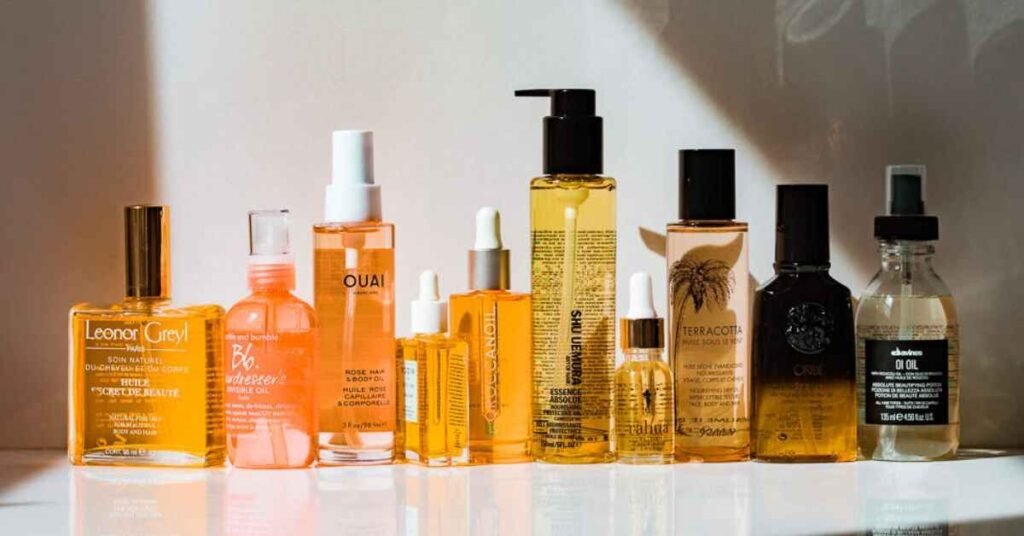
After extensive testing and evaluation, certain hairstyle oils consistently rise to the top.
These standout products deliver exceptional results across multiple criteria, earning their place as the best options for different hair needs.
The following products represent the gold standard in hairstyle oils, each excelling in different categories.
From luxury formulations that justify their premium prices to accessible options that punch above their weight, these oils have proven themselves through real-world performance.
What makes these oils special isn’t just marketing hype. It’s the carefully selected ingredients, well-designed formulas, and consistent results that users experience.
Each of these products addresses specific hair concerns exceptionally well, whether that’s extreme damage repair, frizz control, lightweight moisture for fine hair, or intensive conditioning for thick, coarse textures.
Let’s explore the top performers that have earned their reputation as the best hairstyle oils on the market.
Kerastase Elixir Ultimate L’Huile Original Hair Oil
This luxurious hairstyle oil from Kerastase represents the premium end of the market, and it delivers results that justify the investment.
The Elixir Ultimate L’Huile Original is formulated with a precious blend of four exceptional oils: argan oil, camellia oil, maize oil, and pracaxi oil.
This combination creates a powerhouse formula that addresses multiple hair concerns simultaneously.
The texture of this oil is beautifully balanced. It’s rich enough to provide serious nourishment but not so heavy that it weighs hair down.
When you dispense it, the oil has a silky consistency that spreads effortlessly through hair.
The scent is sophisticated and subtle, with luxurious notes that make the application feel like a spa treatment.
It’s one of those fragrances that people notice and compliment, asking what products you use.
Performance-wise, the Kerastase Elixir Ultimate excels at adding incredible shine. Hair looks glossy and healthy, with a luminous finish that photographs beautifully.
The oil also provides excellent heat protection when used before styling, reducing damage from blow-dryers and flat irons.
For damaged hair, this oil works wonders. The nutrient-rich formula penetrates deep into the hair shaft, helping to repair and strengthen from within.
Over time, regular use visibly improves hair’s condition, making it softer, smoother, and more resilient.
The versatility of this product is impressive. It works equally well as a pre-shampoo treatment, a styling product on damp hair, or a finishing touch on dry hair.
You can customize how you use it based on your hair’s needs on any given day.
This hairstyle oil is particularly suited to normal to thick hair types. Fine hair can use it but should apply very sparingly to avoid any heaviness.
For those with damaged, color-treated, or chemically processed hair, the Kerastase Elixir Ultimate is an especially worthwhile investment.
The concentrated formula means a little goes a long way, so while the initial cost is higher, the bottle lasts considerably longer than cheaper alternatives.
John Frieda Frizz Ease Miraculous Recovery Oil
The John Frieda Frizz Ease Miraculous Recovery Oil offers exceptional performance at a more accessible price point.
This product has built a loyal following among those dealing with dry, damaged, and frizz-prone hair.
The formula combines argan oil, moringa oil, and coconut oil, creating a blend that targets multiple hair concerns.
This trio of oils works synergistically, with each ingredient bringing specific benefits to the table.
The argan oil provides moisture and smoothing properties, while the moringa oil offers antioxidant protection and shine.
Coconut oil penetrates the hair shaft to condition from within, helping to repair damage at a structural level.
One of the standout features of this hairstyle oil is its fast absorption rate. Unlike heavier oils that can sit on the hair’s surface, creating greasiness, the Miraculous Recovery Oil sinks in quickly.
This makes it perfect for those who want the benefits of hair oil without any residue or weight.
The product is specifically designed to visibly repair damage, making it ideal if you’ve subjected your hair to excessive heat styling, chemical treatments, or environmental stress.
Users consistently report noticeable improvements in hair texture and appearance within just a few applications.
For frizz control, this oil really delivers. Even in humid conditions, hair stays smooth and manageable rather than puffing up.
The anti-frizz properties last all day, unlike some products that lose effectiveness after a few hours.
Application options are flexible with this product. You can use it as an intensive overnight treatment by applying generously before bed and washing out in the morning.
This deep conditioning approach is excellent for severely damaged hair that needs serious help.
Alternatively, apply it to damp, freshly washed hair to seal, protect, and smooth the cuticles as your hair dries.
This method works beautifully for daily use, providing ongoing protection and conditioning.
The scent is pleasant and tropical without being overwhelming. It’s light enough that it won’t clash with other products or perfumes you use.
This hairstyle oil suits a wide range of hair types, from fine to thick, though it’s particularly beneficial for those struggling with damage and frizz.
The price point makes it accessible for consistent, long-term use, which is key to seeing real improvements in hair health.
Dior Miss Dior Hair Oil
For those who want their haircare to be as luxurious and beautiful as their fragrance collection, the Dior Miss Dior Hair Oil is an exceptional choice.
This is where high-end beauty meets effective haircare, creating a product that’s as much about the experience as the results.
The formula features camellia oil, known for its nourishing and shine-enhancing properties.
This ingredient has been used in hair care for centuries, particularly in Asian beauty traditions, where it’s prized for creating silky, glossy hair.
What immediately sets this hairstyle oil apart is the signature Miss Dior fragrance. If you love the Miss Dior scent family, having it in your hair oil creates a beautiful layering effect with the perfume.
Your hair carries the fragrance subtly throughout the day, creating a lovely scent trail.
The bottle itself is a work of art, featuring the elegant design aesthetic that Dior is known for.
It’s the kind of product you’ll want displayed on your vanity rather than hidden in a cabinet.
Performance-wise, this oil delivers beautiful shine and smoothness. Hair looks polished and healthy, with a luminous finish that elevates any hairstyle.
The lightweight formula makes it suitable even for fine hair when used sparingly. It provides nourishment without creating heaviness or greasiness.
As a finishing oil on dry, styled hair, it excels. A tiny amount smoothed over your hairstyle adds instant sophistication and polish.
It’s perfect for special occasions when you want your hair to look its absolute best.
The oil also works well on damp hair as a protective styling product, though many users prefer to save this luxurious formula for finishing touches.
This hairstyle oil is ideal for anyone who values the sensory experience of their beauty routine.
If you love beautiful packaging, signature scents, and the feeling of using premium products, the Miss Dior Hair Oil delivers on all fronts while still providing genuine haircare benefits.
It makes an excellent gift for beauty enthusiasts or a special treat for yourself when you want to elevate your everyday routine.
While it’s definitely an investment piece, the quality, fragrance, and performance justify the price for those who appreciate luxury beauty products.
Finding Your Perfect Hairstyle Oil Match
Choosing the right hairstyle oil transforms it from just another product to an essential part of your routine.
The key is honest assessment of your hair’s needs, your styling habits, and what you’re hoping to achieve.
Start by identifying your primary hair concern. Is it dryness and damage? Frizz and lack of smoothness? Dullness and lack of shine?
Different oils excel at different things, so knowing your main goal helps narrow your options.
Consider your hair type and texture realistically. Fine hair needs lightweight formulas that won’t weigh it down.
Thick, coarse hair can handle and often benefits from richer, more intensive oils.
Think about your styling routine too. If you heat style daily, prioritize oils with strong heat protection properties.
If you prefer air-drying, focus on oils that enhance your natural texture and control frizz without heat.
Don’t be afraid to try different products until you find your perfect match. What works beautifully for your friend might not suit your hair at all.
Sample sizes or travel versions are great for testing before committing to full-size bottles.
Pay attention to how your hair responds over several uses. Some benefits, like increased shine, appear immediately.
Others, like improved hair health and reduced breakage, develop over weeks of consistent use.
Remember that you might need different oils for different purposes. A lightweight oil for daily use and a richer treatment oil for weekly deep conditioning can work beautifully together.
The investment in quality hairstyle oil pays dividends in the health and appearance of your hair.
When you find the right product and use it correctly, the transformation can be remarkable.
Your hair becomes shinier, smoother, more manageable, and healthier looking. Those compliments about your gorgeous hair become a regular occurrence.
Final Thoughts on Hairstyle Oil
Hairstyle oil has earned its place as a must-have in any complete haircare routine.
From addressing specific concerns like frizz and damage to simply enhancing your hair’s natural beauty, the right oil makes a noticeable difference.
The science behind these products is solid. Oils work by smoothing the hair cuticle, sealing in moisture, and providing protection against environmental stressors and styling damage.
What makes hairstyle oil particularly valuable is its versatility. One product can serve multiple purposes depending on when and how you apply it.
Pre-wash treatment, heat protectant, styling product, finishing touch. Your hair oil adapts to your needs.
Success with hairstyle oil comes down to three key factors: choosing the right formula for your hair type, applying it correctly using the techniques we’ve covered, and using it consistently over time.
Remember that gorgeous hair is a marathon, not a sprint. While some benefits of hairstyle oil appear immediately, the most dramatic transformations happen with regular, long-term use.
Whether you invest in a luxury formula that makes you feel pampered every time you use it or choose an effective, budget-friendly option that delivers results without breaking the bank, the important thing is finding what works for you and sticking with it.
Your hair deserves the care and attention that quality hairstyle oil provides. The mirror will reflect the results every single day.
FAQs
1. What is hairstyle oil, and why should I use it?
Hairstyle oil nourishes, smooths, and protects hair, making it soft, shiny, and frizz-free.
2. Which hairstyle oil is best for my hair type?
Argan oil suits dry hair, jojoba oil works for oily hair, and coconut oil is ideal for thick or damaged hair.
3. Can I use hairstyle oil daily?
Yes, but use small amounts 2–4 times a week is enough for most hair types.
4. How do I apply hairstyle oil correctly?
Warm a few drops in your palms and apply from mid-lengths to ends, avoiding the roots.
5. Does hairstyle oil help with hair growth?
It supports scalp health and reduces breakage, helping hair grow stronger and longer over time.

Muhammad Asif is an experienced SEO expert, specializing in optimizing websites for higher search rankings and better online visibility. With a deep understanding of SEO strategies, he helps businesses achieve their digital marketing goals.