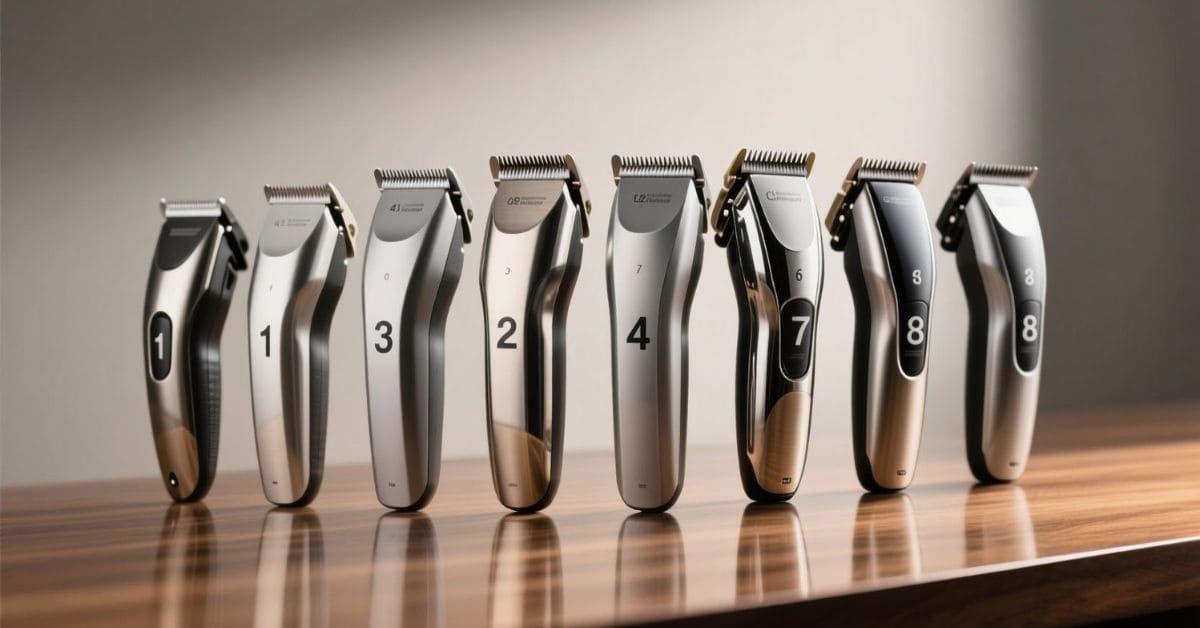
Introduction
Finding the right haircut can be overwhelming. You walk into the barbershop, stare at the list of haircut numbers, and suddenly feel lost. With so many options, how do you know which number corresponds to the style you want? It’s frustrating, especially when you’re not sure which clipper guard size will give you the perfect length.
Don’t worry, this blog has you covered. We’ll break down what those confusing haircut numbers mean and how to choose the best one for your desired look. From fade styles to buzz cuts, we’ll guide you step by step so you can confidently walk into your next appointment with the perfect style in mind.
What Are Haircut Numbers?
Haircut numbers, also called clipper guard sizes, are the key to understanding how much hair your barber will trim during your visit. These numbers range from 1 to 8, with lower numbers resulting in shorter hair and higher numbers resulting in longer hair. For example, a #1 guard gives a tight, skin-close trim, while a #4 leaves enough hair for a softer, more textured look.
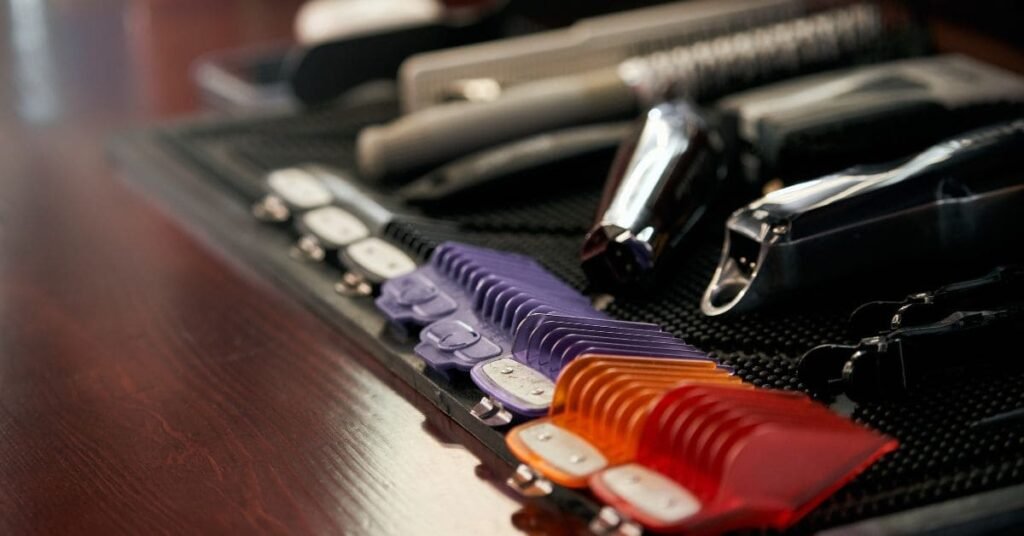
By using these guard sizes, barbers can provide the precise haircut you want, whether it’s a fade, buzz cut, or a more custom style. Each barber uses these numbers to customize the haircut based on your hair type and desired style. The use of clipper guards is common for shorter haircuts, and for longer hairstyles, barbers may switch to scissors.
It’s essential to communicate your preference clearly, and many barbers will provide a personalized consultation to ensure the style suits your face shape and lifestyle. By understanding the basic haircut numbers and clipper guard sizes, you’ll be able to walk into your next appointment with confidence, knowing exactly what to ask for.
What Do Different Haircut Numbers Mean?
Haircut numbers, also known as clipper guard sizes, indicate how short or long your hair will be after a trim. These numbers range from 0 to 8, with 0 being the shortest, often resulting in a bald or skin-close finish, and 8 being the longest, leaving about 1 inch of hair. The higher the number, the more hair is left on the scalp.
For instance, a number 1 haircut trims the hair to 1/8 inch, whereas a number 4 haircut leaves the hair at 1/2 inch in length. Understanding these numbers is essential to communicating your desired style with your barber. Various clipper guard sizes offer a range of lengths and styles. Number 0 is used for buzz cuts or fades that start very close to the scalp. A number 2 is perfect for a short, professional look that doesn’t expose the scalp too much.
As the numbers increase, the hair length becomes longer, giving more room for texture and styling options. Barbers may blend different guard numbers to achieve seamless transitions, such as in fade haircuts. Always ensure to communicate the desired length clearly to your barber for a precise result.
Understanding Haircut Numbers & Hair Length Grades

Haircut numbers refer to the clipper guard sizes that determine the length of your hair after a trim. These numbers typically range from 0 to 8, with lower numbers resulting in shorter hair and higher numbers leaving more length. For example, a #0 haircut is a skin-tight shave, while a #8 leaves a full inch of hair.
This system helps both barbers and clients communicate effectively about the desired length. While the numbers give a general guide, the final result can depend on several factors like hair texture, head shape, and style preferences. Different clipper brands may have slight variations in their numbering systems, so it’s essential to know your barber’s system.
The “zero” setting, often used for fades, allows for detailed, skin-close cuts, while the lever on the clippers lets barbers refine transitions between different lengths. Understanding these numbers and techniques will help you communicate your style better and ensure you leave the salon with the cut you envisioned.
Hair Clipper Sizes in MM: A Quick Guide
Hair clipper sizes are essential for determining how short or long your hair will be after a trim. These sizes, ranging from 0 to 8, correspond to specific lengths of hair left on your scalp. A number 0 results in a nearly bald look, while a number 8 leaves about 1 inch of hair. Each number represents an increment of hair length, typically increasing by an eighth of an inch with each step.

For instance, a number 1 guard trims the hair to 1/8 inch (3 mm), whereas a number 2 guard leaves it at 1/4 inch (6 mm). As you move up the numbers, the hair length increases, with a number 4 providing a versatile 1/2 inch (13 mm) and a number 8 offering the longest standard cut at 1 inch (25 mm).
Understanding these sizes helps you communicate with your barber and get the desired result, whether it’s a buzz cut, taper, or fade. Keep in mind that different clipper brands may have slight variations, so it’s important to clarify the size with your barber before starting.
Most Popular Haircut Numbers for Modern Styles
When it comes to modern hairstyles, some haircut numbers are more popular than others. These numbers help barbers achieve specific looks, from clean fades to textured styles. Here are a few that are commonly requested:
- #1 and #2: Perfect for clean, short cuts with a faded look. Commonly used for creating fades on the sides while keeping some length on the top.
- #3 and #4: Ideal for neat, medium-short styles. Great for crew cuts and tapered looks.
- #6 and #8: Used for longer, more textured styles. These numbers work well for styles like pompadours or slick backs.
These haircut numbers give flexibility in creating various modern styles. Choosing the right one depends on the look you’re going for and how much length you prefer.
Knowing Which Haircut Grade to Go For
Understanding haircut grades is crucial to achieving the right style, but it can be challenging if you’re unfamiliar with the terminology. A “grade” refers to the clipper guard number, which determines how much hair is cut. Lower numbers, like #1 or #2, give shorter cuts, while higher numbers, like #6 or #8, leave more length.
If you’re not sure about the exact length, it’s always a good idea to start with a longer grade and go shorter if needed. This way, you can avoid cutting too much hair off and have more control over the final look. Effectively communicating your desired style to your barber is crucial.

You can describe the look using detailed terms, like asking for a fade with a specific grade or requesting a blend from longer hair on top to shorter sides. If you’re uncertain, feel free to seek guidance from your barber, considering your hair type, face shape, and preferred style. This ensures the haircut suits you perfectly and avoids any miscommunication during the cut.
Complete Haircut Length Chart for All Styles
Grasping the meaning of haircut numbers and clipper grades is essential for getting the look you want. The numbers correspond to different hair lengths, with lower numbers (like #0 and #1) resulting in very short, buzzed cuts, while higher numbers (like #7 and #8) leave longer lengths for more versatile styles. For example, a #1 guard cuts the hair to around 1/8 inch, while a #8 guard leaves roughly 1 inch of length.
This standardized system helps both barbers and clients communicate effectively, ensuring that the haircut matches expectations. Haircut grades can vary depending on hair type, texture, and the specific style you’re aiming for. Shorter guards are ideal for minimal maintenance and clean cuts, while medium to long guard sizes are better for textured, fuller, and more styled looks.
As an example, a #4 guard trims the hair to 1/2 inch, providing more options for styling. It’s essential to understand how each number works with your hair type. Whether fine, coarse, or curly, this knowledge helps achieve the best results. Additionally, some barbers may combine guards for fades or tapers to create smooth transitions.
Conclusion
In conclusion, understanding haircut numbers and grades is key to getting the style you want. These numbers are easy to follow once you know what each guard size does. Whether you want a buzz cut, fade, or textured style, knowing the right number helps ensure you communicate clearly with your barber. Starting with a longer guard is always a safe bet, especially if you’re unsure.
By learning the basic clipper guard sizes, you’ll have more control over your next trim. Understanding how they impact your haircut will help you achieve the desired result. It’s also helpful to keep in mind your hair type, face shape, and personal style preferences. Armed with this knowledge, you’ll walk into the barbershop ready for the perfect cut every time!
FAQs
1. What is a haircut number?
A haircut number refers to the clipper guard size, which determines the length of your hair after the trim. Lower numbers result in shorter cuts, while higher numbers leave the hair longer.
2. What does a number 1 haircut look like?
A number 1 haircut leaves the hair at 1/8 inch (3 mm), making it ideal for buzz cuts or fades.
3. How do I choose the right haircut grade?
Choose a haircut grade based on your desired hair length and style. Start with a longer guard for more control and adjust as needed to achieve your preferred look.
4. How does a fade differ from a taper?
A fade blends into the skin, while a taper maintains an even short length throughout.
5. Can I do a buzz cut at home?
Yes, a buzz cut is easy to do at home using clippers.

Muhammad Asif is an experienced SEO expert, specializing in optimizing websites for higher search rankings and better online visibility. With a deep understanding of SEO strategies, he helps businesses achieve their digital marketing goals.